A Conversation on Physics, Tao-Te-Ching, and Awakening – Shantena Sabbadini
Watch the conversation on physics, tao-te-ching and awakening by Galileo Commission adviser Shantena Sabbadini.
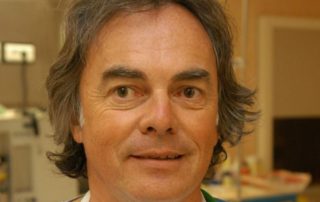
Anesthesiologist talks about NDE – Dr Charbonier
Jean-Jacques Charbonier , born 16 May 1956 in Saint-Gaudens , is a physician anesthesiologist intensivist known for his stories on the professional life after death . He is the author of several books on the subject, regularly hosts conferences and participated in various radio and television. He is an honorary member of the Centre for the Study of near-death experiences (CEEMI) and works with the association.
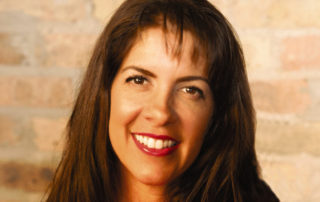
Two Veridical Near-Death Experiences – S. Arnold & T. Barker
This panel will begin with a brief summary of the 2016 book The Self Does Not Die, which contains over 100 cases of NDEs with veridical perception verified by credible third parties, mostly physicians. Then two NDErs whose cases did not appear in the book will describe their NDEs and aftereffects with particular emphasis on veridical aspects of their experiences.
A Conversation on Physics, Tao-Te-Ching, and Awakening – Shantena Sabbadini
Watch the conversation on physics, tao-te-ching and awakening by Galileo Commission adviser Shantena Sabbadini.
Anesthesiologist talks about NDE – Dr Charbonier
Jean-Jacques Charbonier , born 16 May 1956 in Saint-Gaudens , is a physician anesthesiologist intensivist known for his stories on the professional life after death . He is the author of several books on the subject, regularly hosts conferences and participated in various radio and television. He is an honorary member of the Centre for the Study of near-death experiences (CEEMI) and works with the association.
Two Veridical Near-Death Experiences – S. Arnold & T. Barker
This panel will begin with a brief summary of the 2016 book The Self Does Not Die, which contains over 100 cases of NDEs with veridical perception verified by credible third parties, mostly physicians. Then two NDErs whose cases did not appear in the book will describe their NDEs and aftereffects with particular emphasis on veridical aspects of their experiences.
A Conversation on Physics, Tao-Te-Ching, and Awakening – Shantena Sabbadini
Watch the conversation on physics, tao-te-ching and awakening by Galileo Commission adviser Shantena Sabbadini.
Anesthesiologist talks about NDE – Dr Charbonier
Jean-Jacques Charbonier , born 16 May 1956 in Saint-Gaudens , is a physician anesthesiologist intensivist known for his stories on the professional life after death . He is the author of several books on the subject, regularly hosts conferences and participated in various radio and television. He is an honorary member of the Centre for the Study of near-death experiences (CEEMI) and works with the association.
Two Veridical Near-Death Experiences – S. Arnold & T. Barker
This panel will begin with a brief summary of the 2016 book The Self Does Not Die, which contains over 100 cases of NDEs with veridical perception verified by credible third parties, mostly physicians. Then two NDErs whose cases did not appear in the book will describe their NDEs and aftereffects with particular emphasis on veridical aspects of their experiences.
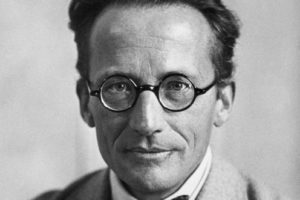
– Erwin Schrödinger
– Prof David Bohm
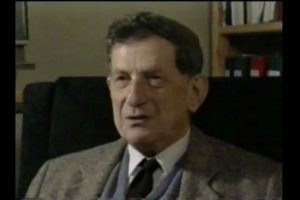
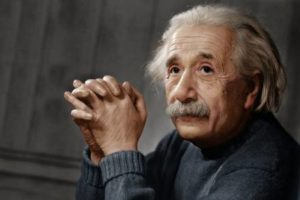
– Albert Einstein
Click on any event to view the recordings as well as event details