The Wiley Blackwell Handbook of Transpersonal Psychology
Book review by David Lorimer THE WILEY BLACKWELL HANDBOOK OF TRANSPERSONAL PSYCHOLOGY Edited by Harris L. Friedman
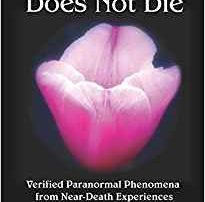
The Self Does Not Die
True open-minded skepticism is our greatest ally in trying to better understand the mind-brain connection as it is revealed through the extraordinary lens of near-death experiences (NDEs).
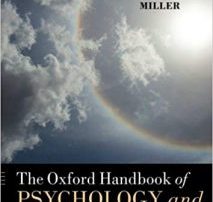
The Oxford Handbook of Psychology and Spirituality
In her introduction, Lisa Miller remarks that the handbook is at the cutting edge of an expanded psychology that directly addresses the broadened set of ontological assumptions and a view that spirituality is fundamental to the human constitution.
The Wiley Blackwell Handbook of Transpersonal Psychology
Book review by David Lorimer THE WILEY BLACKWELL HANDBOOK OF TRANSPERSONAL PSYCHOLOGY Edited by Harris L. Friedman
The Self Does Not Die
True open-minded skepticism is our greatest ally in trying to better understand the mind-brain connection as it is revealed through the extraordinary lens of near-death experiences (NDEs).
The Oxford Handbook of Psychology and Spirituality
In her introduction, Lisa Miller remarks that the handbook is at the cutting edge of an expanded psychology that directly addresses the broadened set of ontological assumptions and a view that spirituality is fundamental to the human constitution.
The Wiley Blackwell Handbook of Transpersonal Psychology
Book review by David Lorimer THE WILEY BLACKWELL HANDBOOK OF TRANSPERSONAL PSYCHOLOGY Edited by Harris L. Friedman
The Self Does Not Die
True open-minded skepticism is our greatest ally in trying to better understand the mind-brain connection as it is revealed through the extraordinary lens of near-death experiences (NDEs).
The Oxford Handbook of Psychology and Spirituality
In her introduction, Lisa Miller remarks that the handbook is at the cutting edge of an expanded psychology that directly addresses the broadened set of ontological assumptions and a view that spirituality is fundamental to the human constitution.
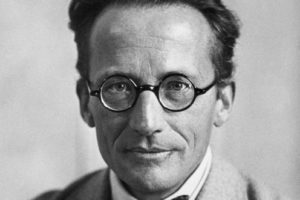
– Erwin Schrödinger
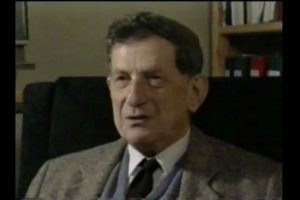
– Prof David Bohm
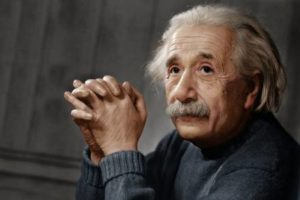
– Albert Einstein
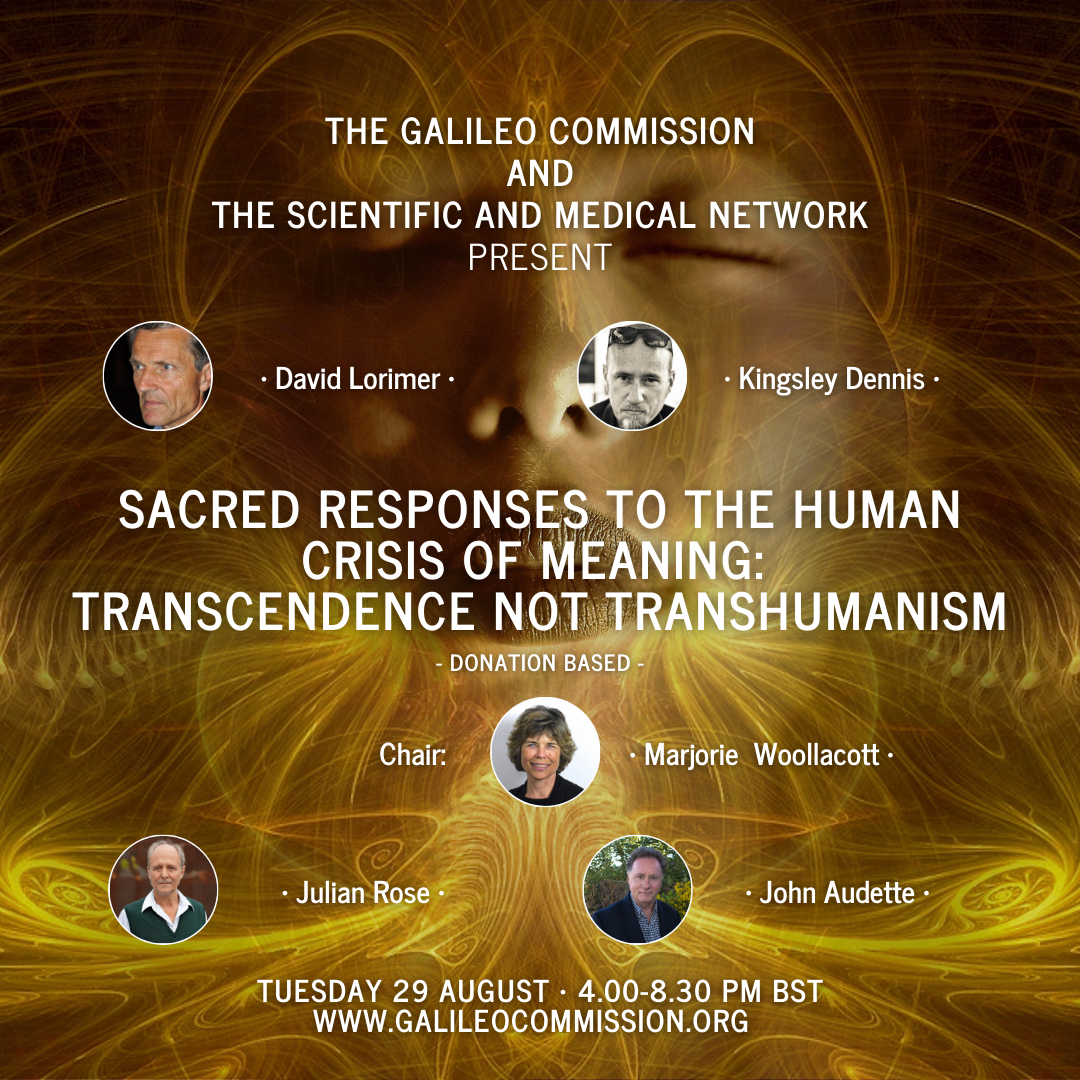
Click on any event to view the recordings as well as event details