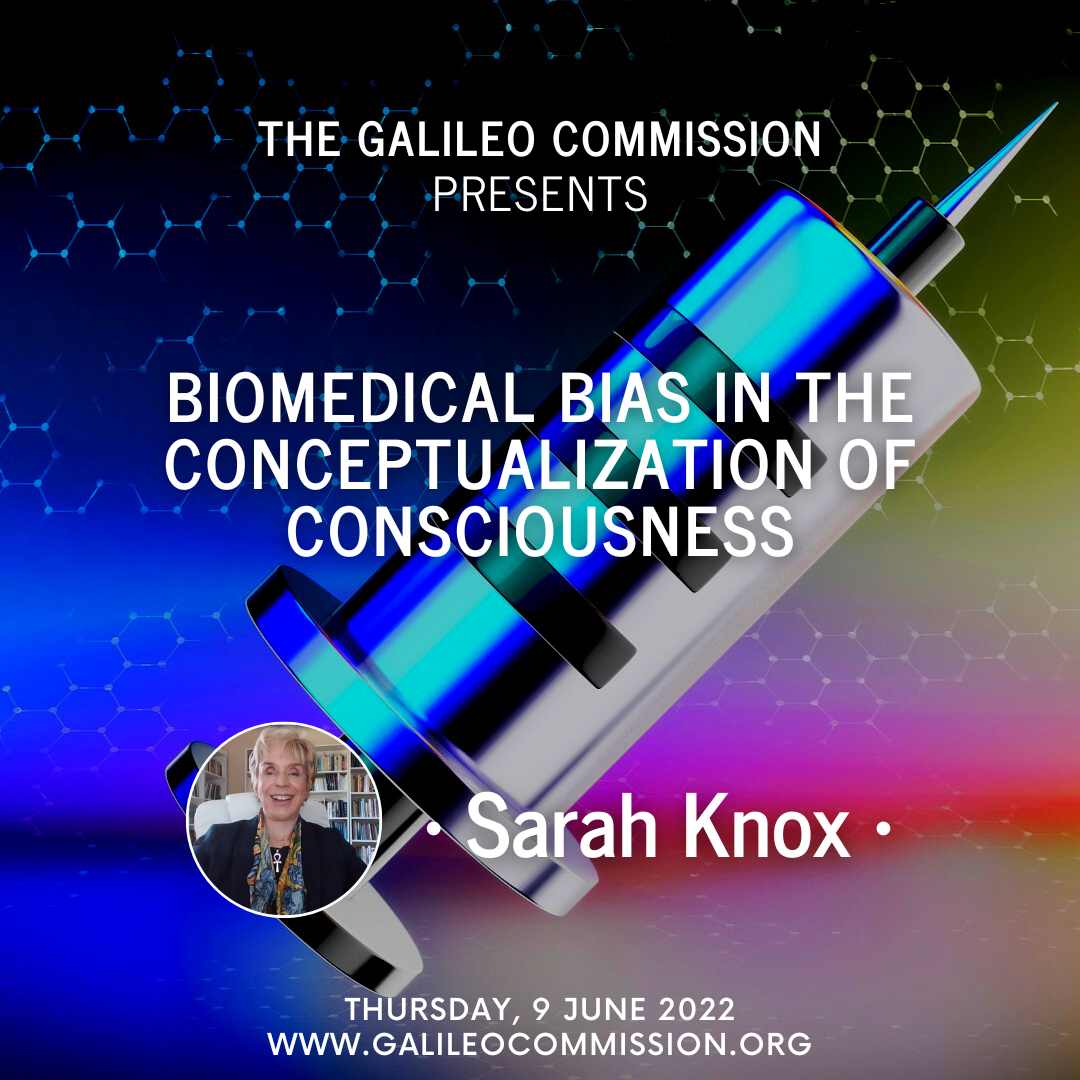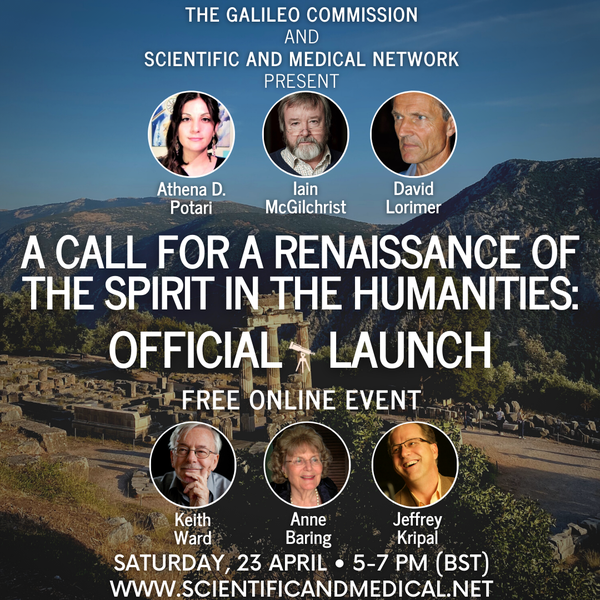
Marilyn Schlitz, PhD
Marilyn Schlitz, Ph.D. is a social anthropologist, researcher, award winning writer, and charismatic public speaker. She serves as
Consciousness In The Universe An Updated Review Of The “Orch Or” Theory
We proposed in the mid 1990’s that consciousness depends on biologically “orchestrated” coherent quantum processes in collections of microtubules within brain neurons, that these quantum processes correlate with, and regulate, neuronal synaptic and membrane activity, and that the continuous Schrödinger evolution of each such process terminates in accordance with the specific Diósi–Penrose (DP) scheme of “objective reduction” (“OR”) of the quantum state.

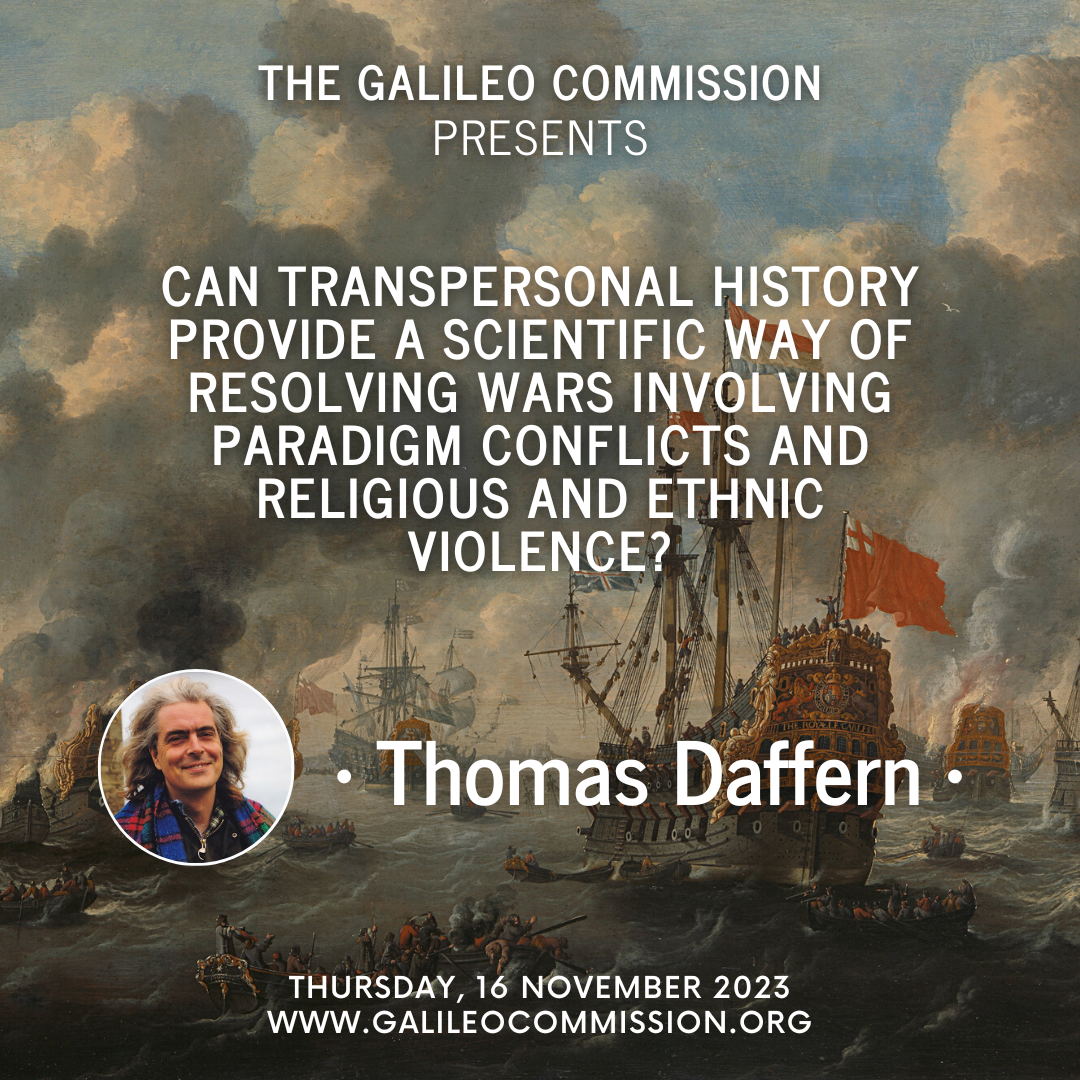
Criticisms of Transpersonal Psychology and Beyond
After nearly half a decade of transpersonal psychology, to be precise 43 years after the foundation of the Journal of Transpersonal Psychology that gave the nascent movement an academic and scholarly appearance, it seems about time to pause and ask: What has the movement of transpersonal psychology really achieved?
Marilyn Schlitz, PhD
Marilyn Schlitz, Ph.D. is a social anthropologist, researcher, award winning writer, and charismatic public speaker. She serves as
Consciousness In The Universe An Updated Review Of The “Orch Or” Theory
We proposed in the mid 1990’s that consciousness depends on biologically “orchestrated” coherent quantum processes in collections of microtubules within brain neurons, that these quantum processes correlate with, and regulate, neuronal synaptic and membrane activity, and that the continuous Schrödinger evolution of each such process terminates in accordance with the specific Diósi–Penrose (DP) scheme of “objective reduction” (“OR”) of the quantum state.
Criticisms of Transpersonal Psychology and Beyond
After nearly half a decade of transpersonal psychology, to be precise 43 years after the foundation of the Journal of Transpersonal Psychology that gave the nascent movement an academic and scholarly appearance, it seems about time to pause and ask: What has the movement of transpersonal psychology really achieved?
Marilyn Schlitz, PhD
Marilyn Schlitz, Ph.D. is a social anthropologist, researcher, award winning writer, and charismatic public speaker. She serves as
Consciousness In The Universe An Updated Review Of The “Orch Or” Theory
We proposed in the mid 1990’s that consciousness depends on biologically “orchestrated” coherent quantum processes in collections of microtubules within brain neurons, that these quantum processes correlate with, and regulate, neuronal synaptic and membrane activity, and that the continuous Schrödinger evolution of each such process terminates in accordance with the specific Diósi–Penrose (DP) scheme of “objective reduction” (“OR”) of the quantum state.
Criticisms of Transpersonal Psychology and Beyond
After nearly half a decade of transpersonal psychology, to be precise 43 years after the foundation of the Journal of Transpersonal Psychology that gave the nascent movement an academic and scholarly appearance, it seems about time to pause and ask: What has the movement of transpersonal psychology really achieved?
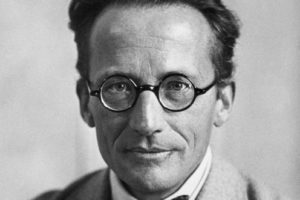
– Erwin Schrödinger
– Prof David Bohm
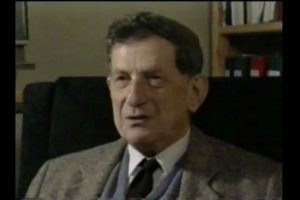

– Albert Einstein
Click on any event to view the recordings as well as event details