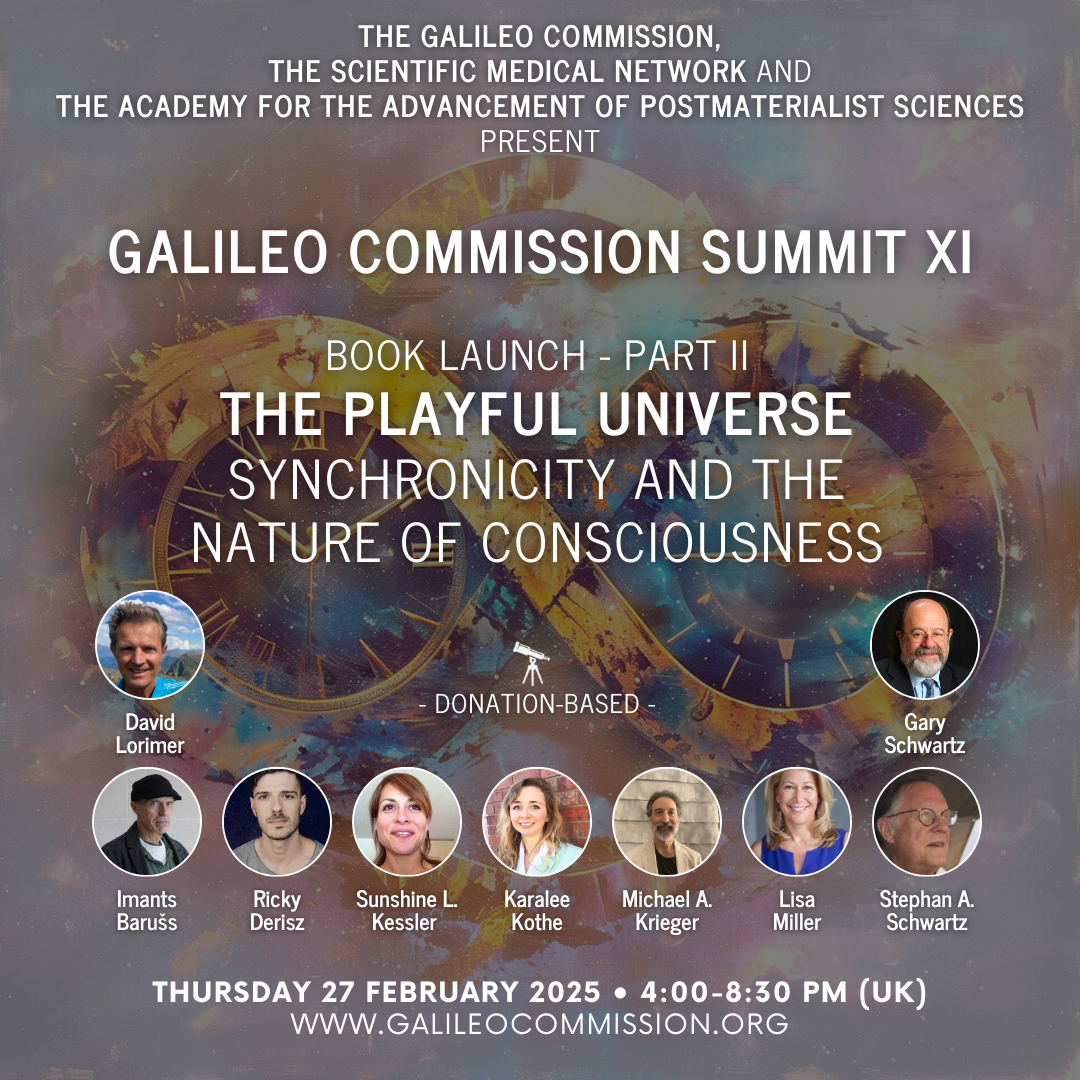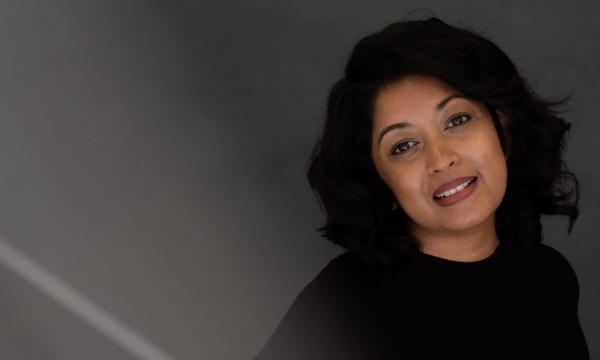
Neuroscience of Spirituality – Lisa Miller
Learn from Dr. Lisa Miller on the new science of spirituality and our quest for an inspired life. A captivating look at what happens to our brains when we’re connected to something greater than ourselves — and what it does for our lives. What makes life worth living? Dr. Miller explains we each have a neuro-seat of transcendence that hardwires us to toggle between two realities: 1. awakened awareness and 2. achieving awareness.
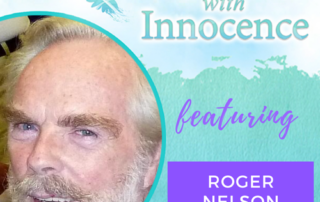
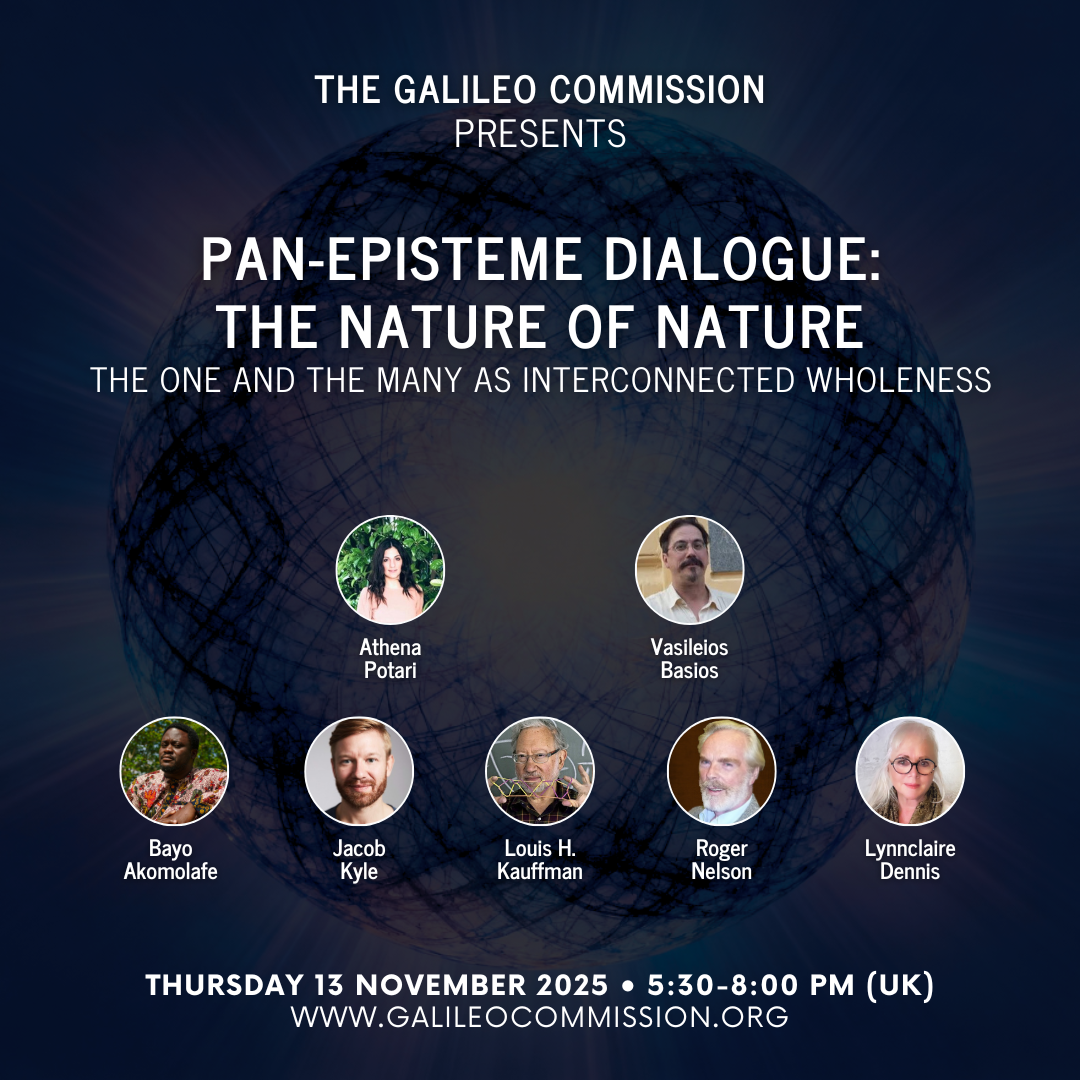
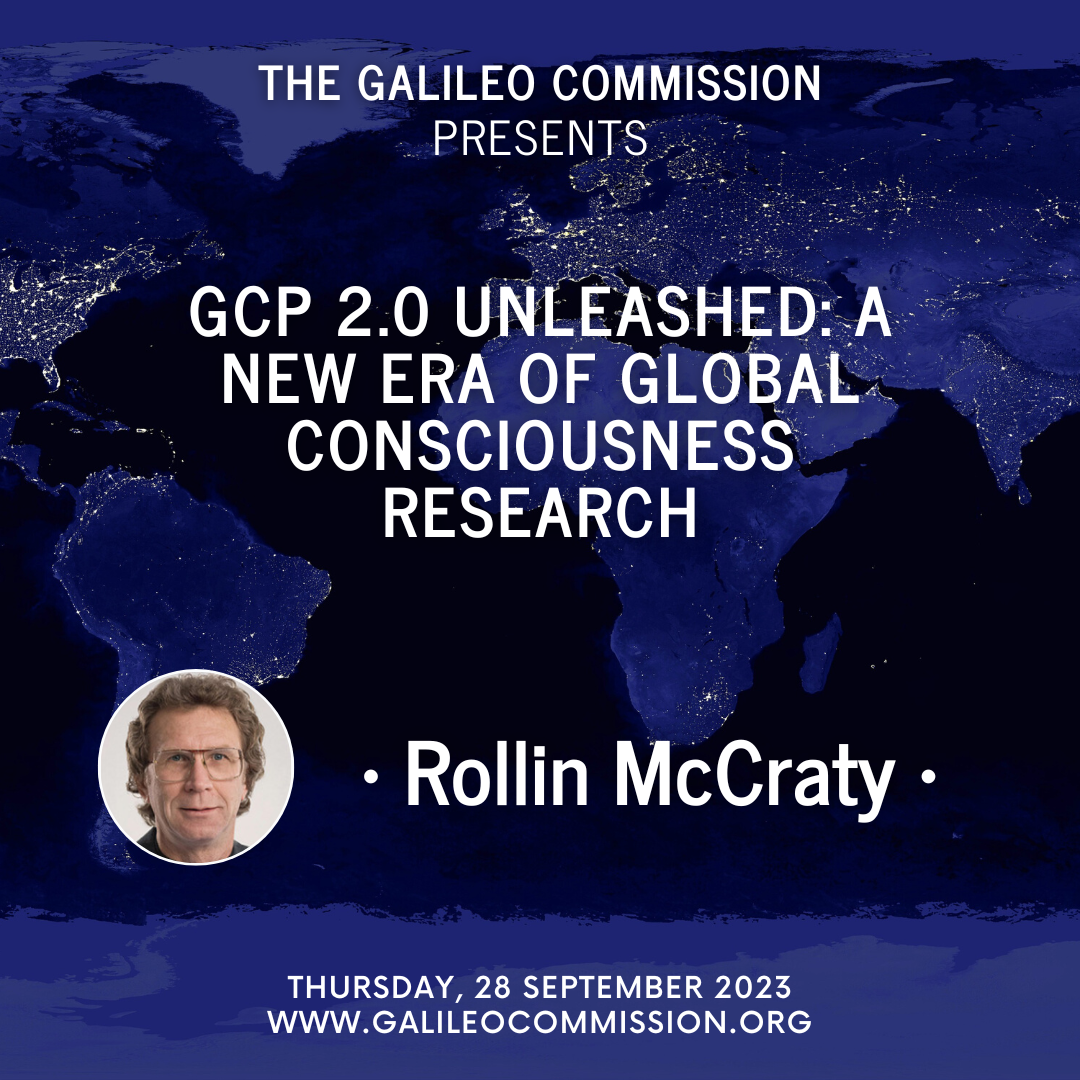
Interviews with Innocence featuring Roger Nelson
In today’s episode, Roger Nelson shares his fascinating research surrounding human consciousness and how science teaches us that love truly connects us all.

Dual Aspect Monism in Spinoza, James and Russell – Gerald R. Baron
Summarizing these more historic views, we can conclude that from Parmenides through Spinoza, Ernst Mach and William James through to Bertrand Russell that mind-matter questions burned brightly. The human intuition that mind is not matter and matter is not mind is given credence by their thoughts and ideas. But the “easy” solution of simply separating them into two essentially unconnected substances as Descartes preferred did not rest easily with those who came after the French philosopher. Like the mystics, they sought and believed they found a fundamental unity underlying everything including mind and matter. A one world, so to speak, a unus mundus. And to that idea we turn next.
Neuroscience of Spirituality – Lisa Miller
Learn from Dr. Lisa Miller on the new science of spirituality and our quest for an inspired life. A captivating look at what happens to our brains when we’re connected to something greater than ourselves — and what it does for our lives. What makes life worth living? Dr. Miller explains we each have a neuro-seat of transcendence that hardwires us to toggle between two realities: 1. awakened awareness and 2. achieving awareness.
Interviews with Innocence featuring Roger Nelson
In today’s episode, Roger Nelson shares his fascinating research surrounding human consciousness and how science teaches us that love truly connects us all.
Dual Aspect Monism in Spinoza, James and Russell – Gerald R. Baron
Summarizing these more historic views, we can conclude that from Parmenides through Spinoza, Ernst Mach and William James through to Bertrand Russell that mind-matter questions burned brightly. The human intuition that mind is not matter and matter is not mind is given credence by their thoughts and ideas. But the “easy” solution of simply separating them into two essentially unconnected substances as Descartes preferred did not rest easily with those who came after the French philosopher. Like the mystics, they sought and believed they found a fundamental unity underlying everything including mind and matter. A one world, so to speak, a unus mundus. And to that idea we turn next.
Neuroscience of Spirituality – Lisa Miller
Learn from Dr. Lisa Miller on the new science of spirituality and our quest for an inspired life. A captivating look at what happens to our brains when we’re connected to something greater than ourselves — and what it does for our lives. What makes life worth living? Dr. Miller explains we each have a neuro-seat of transcendence that hardwires us to toggle between two realities: 1. awakened awareness and 2. achieving awareness.
Interviews with Innocence featuring Roger Nelson
In today’s episode, Roger Nelson shares his fascinating research surrounding human consciousness and how science teaches us that love truly connects us all.
Dual Aspect Monism in Spinoza, James and Russell – Gerald R. Baron
Summarizing these more historic views, we can conclude that from Parmenides through Spinoza, Ernst Mach and William James through to Bertrand Russell that mind-matter questions burned brightly. The human intuition that mind is not matter and matter is not mind is given credence by their thoughts and ideas. But the “easy” solution of simply separating them into two essentially unconnected substances as Descartes preferred did not rest easily with those who came after the French philosopher. Like the mystics, they sought and believed they found a fundamental unity underlying everything including mind and matter. A one world, so to speak, a unus mundus. And to that idea we turn next.
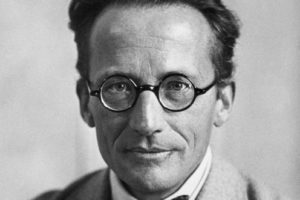
– Erwin Schrödinger
– Prof David Bohm
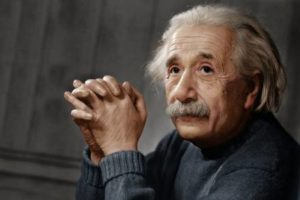
– Albert Einstein
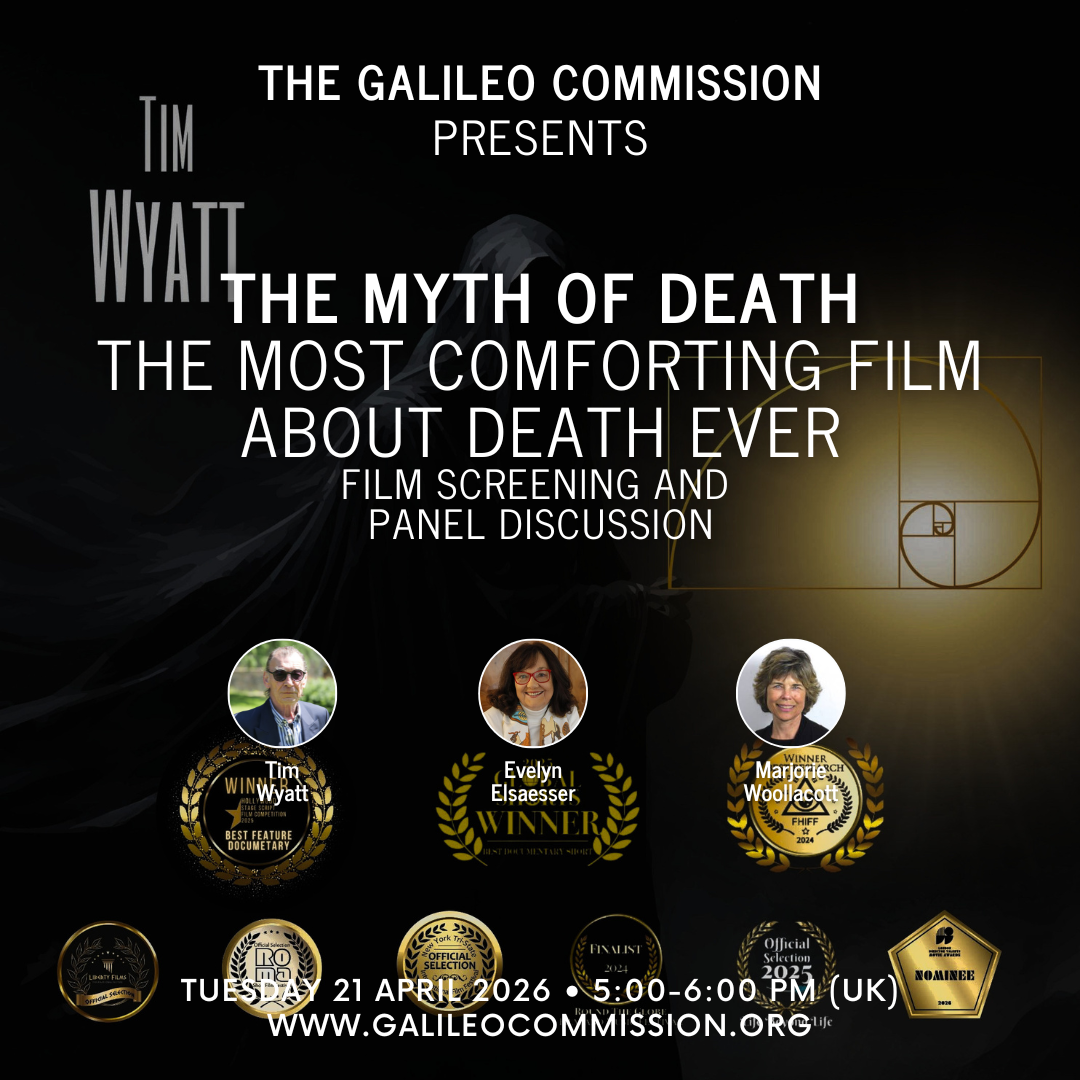
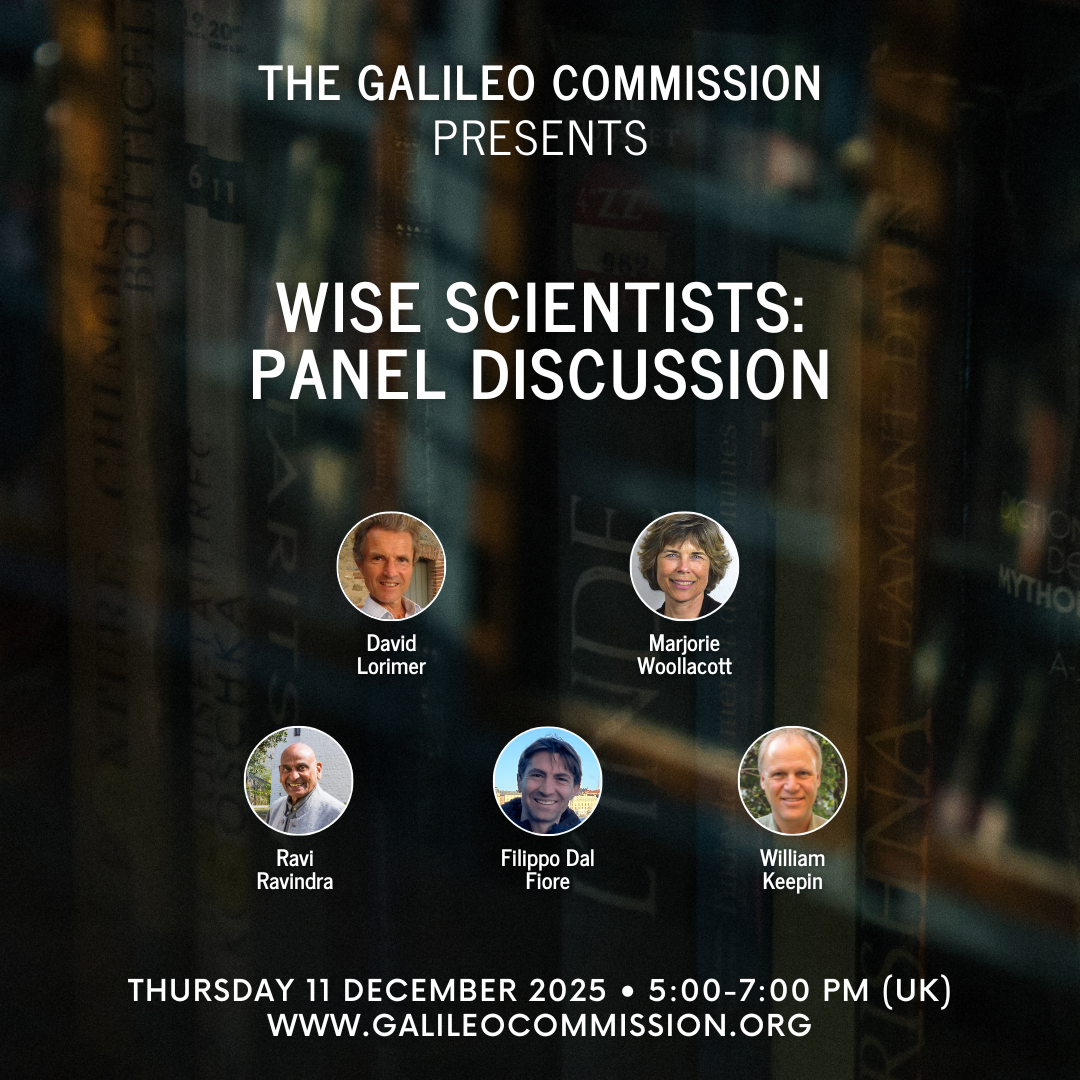
Click on any event to view the recordings as well as event details