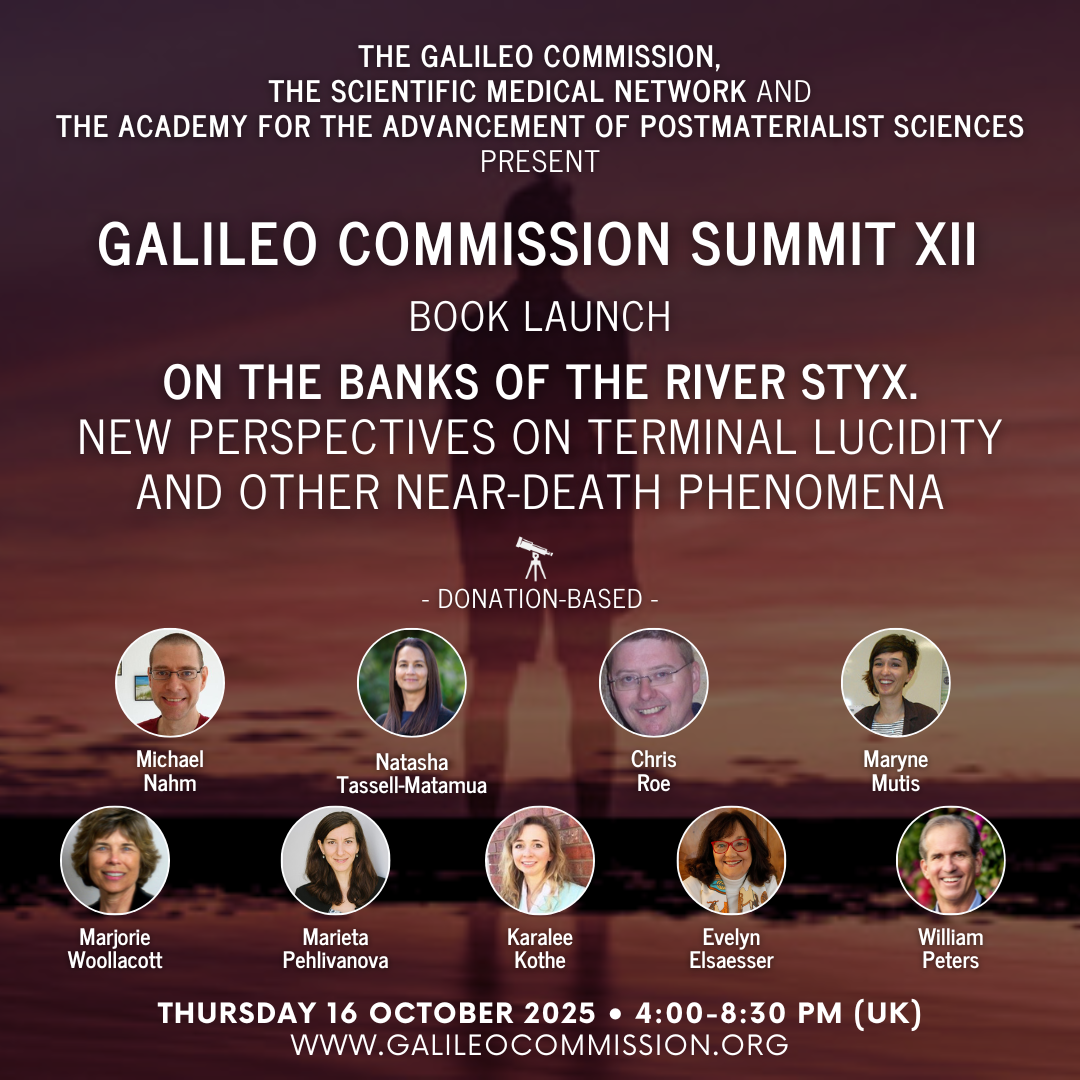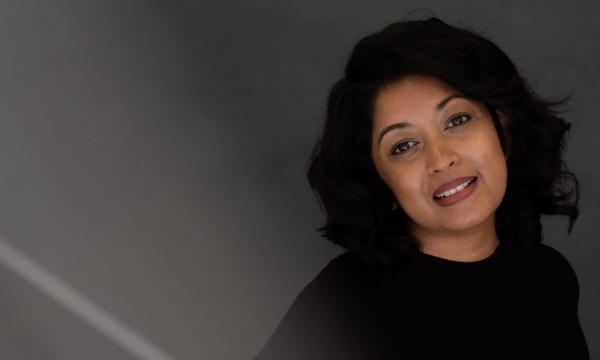
Implications of the Near-Death Experience with Barbara Harris Whitfield
In this video from 2016, she describes her own near death experience that took place more than forty years ago, including a feeling of being embraced by the divine and also including a detailed review of her life up until that moment. That was a transformative experience that set the pattern for the rest of her life. As a result she became associated with researchers Kenneth Ring and Bruce Greyson at the University of Connecticut. There she discovered the correlation between near-death experience and early life trauma. She likens her particular path to “the hero’s journey” as described by the mythologist, Joseph Campbell.
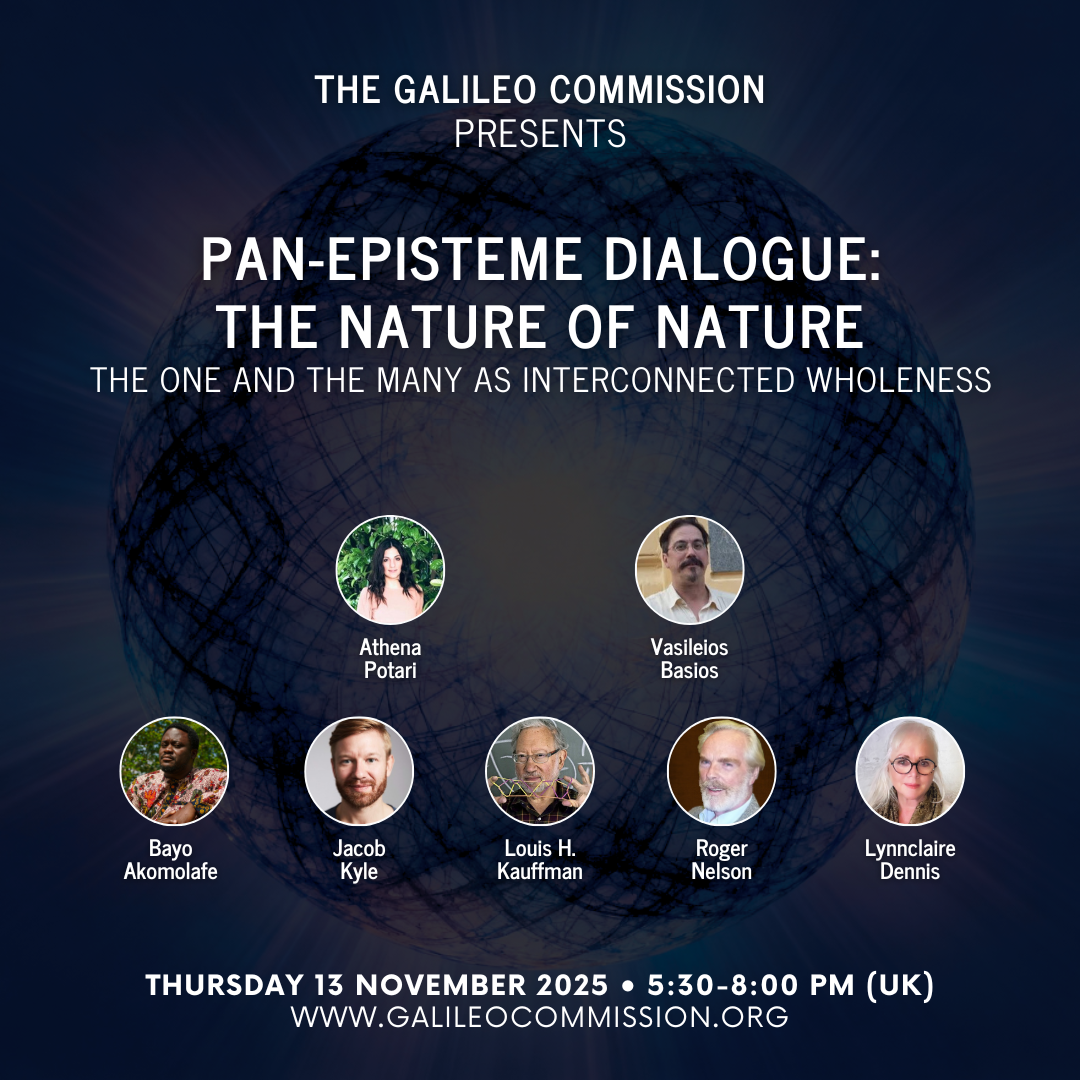
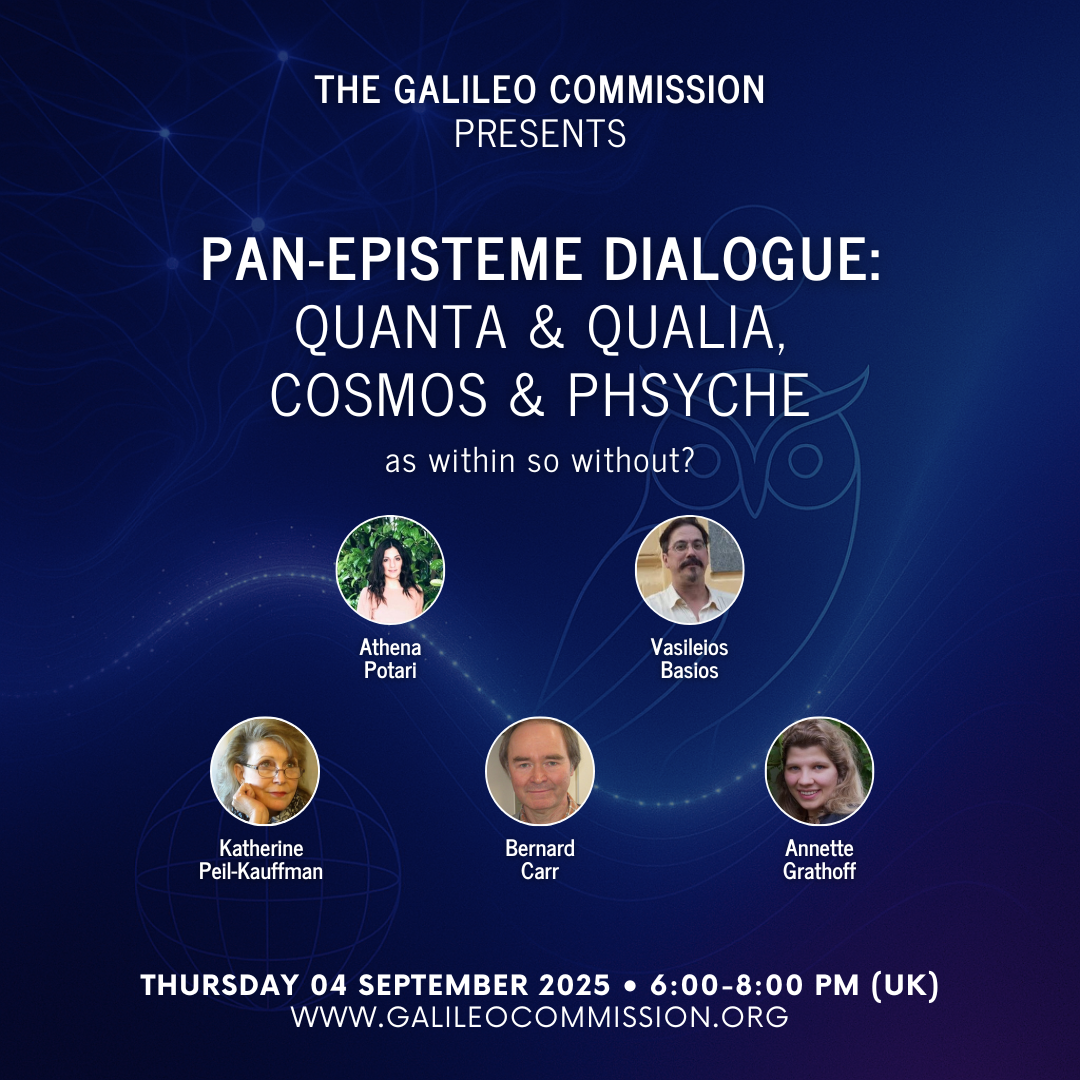
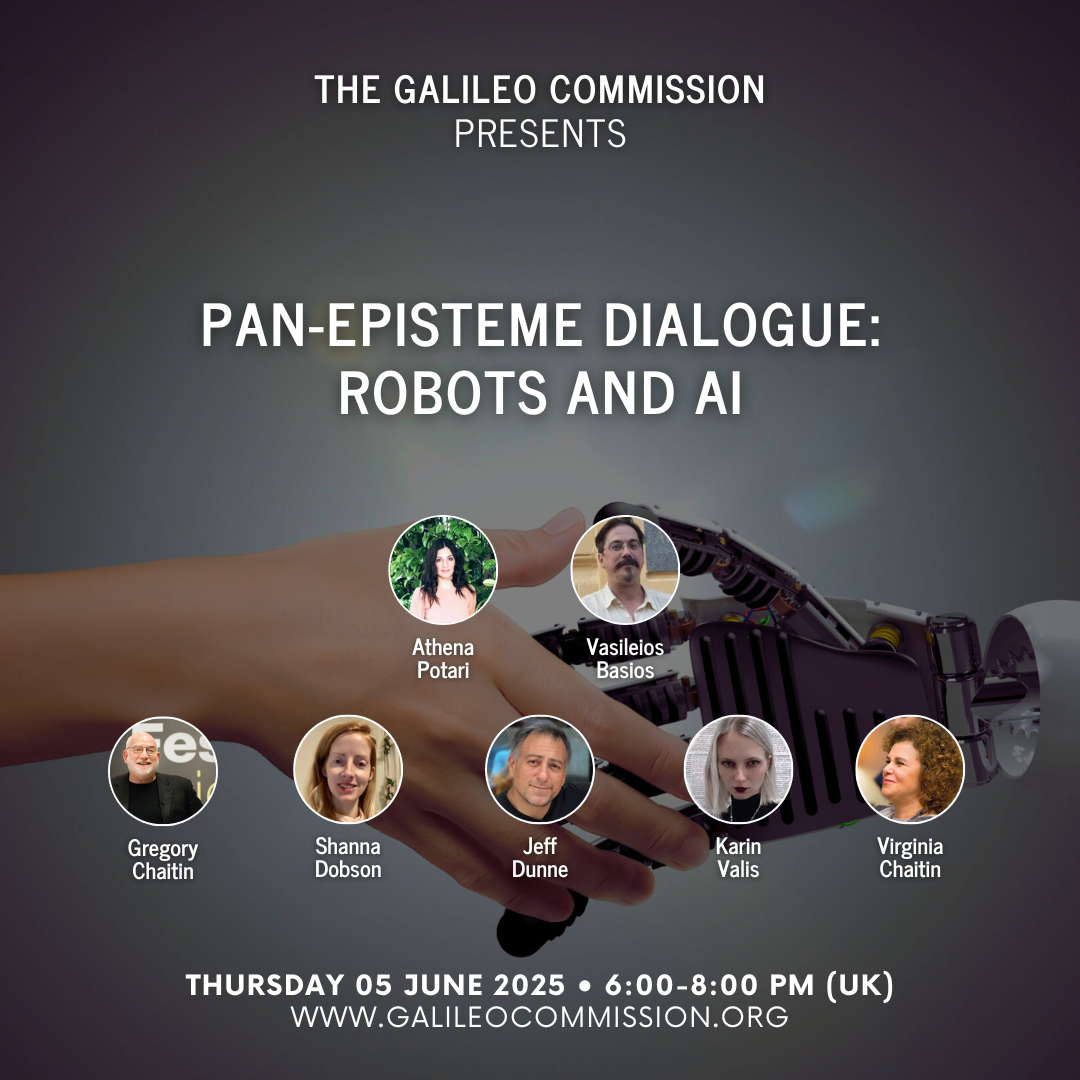
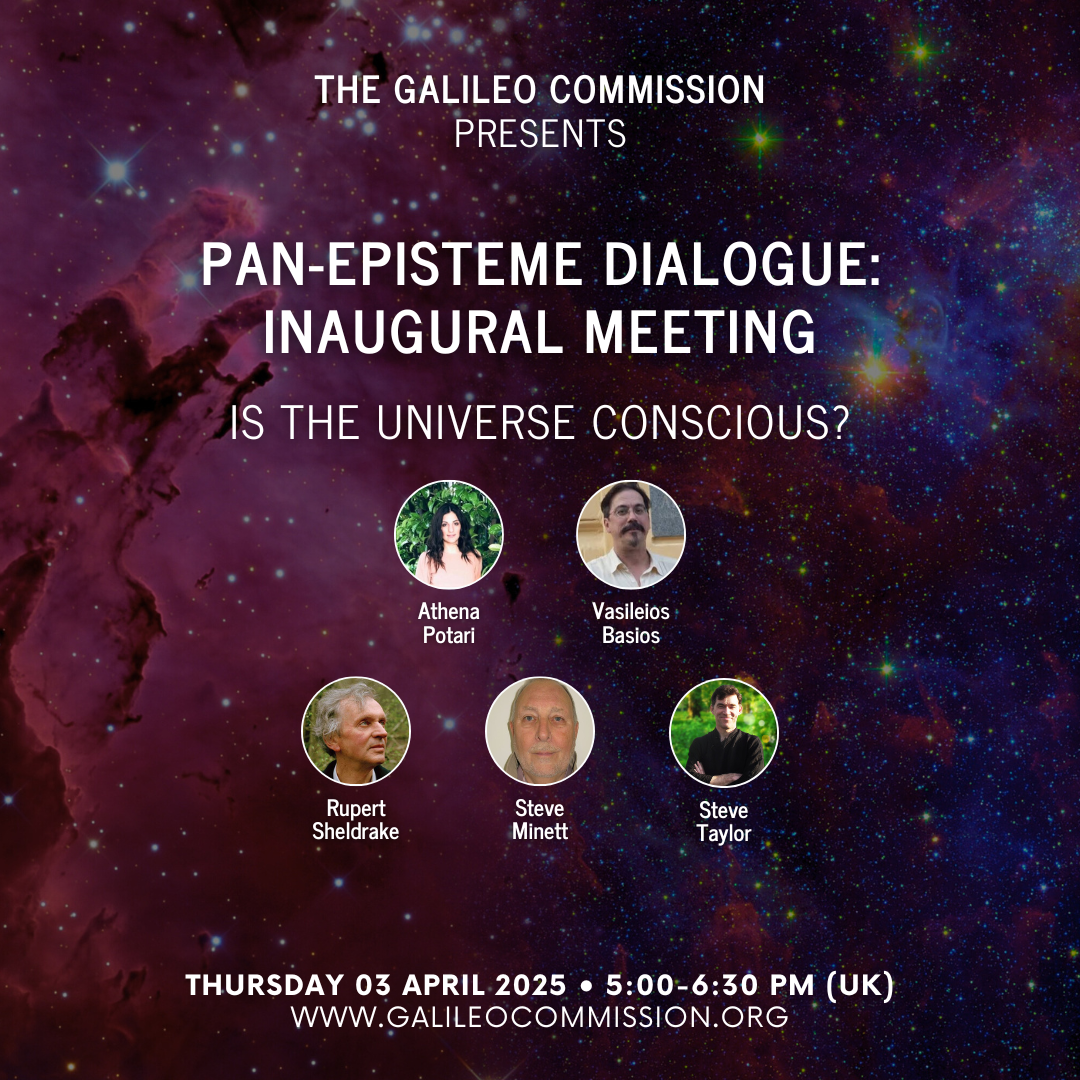
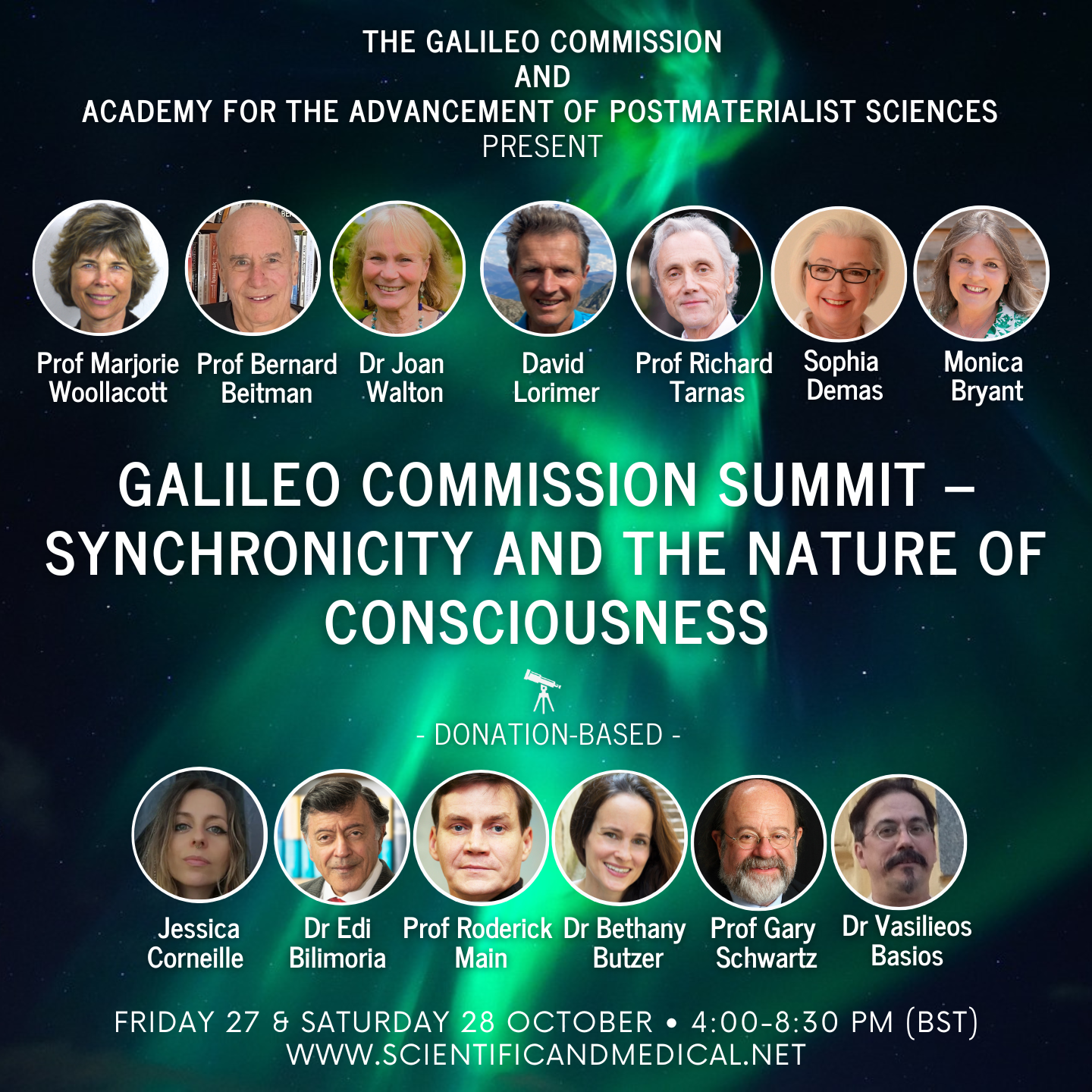
Imaginal Inspirations with Vasileios Basios
Dr. Vasilieios Basios is a senior researcher at the Physics of Complex Systems Department of the University of Brussels, where he conducts interdisciplinary research on self-organisation and emergence in complex matter as well as on aspects of the foundations of complex systems. We first met in the early 1990s in Greece where a number of pioneering meetings on a science of consciousness were arranged by his mentor and our mutual friend Emilios Bouratinos, author of the seminal work Science, Objectivity and Consciousness.
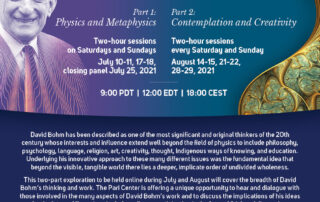
Beyond Bohm: Science, Order And Creativity – Pari Center – July and August sessions
During July and August the Pari Center is offering a unique opportunity to hear and dialogue with those involved in the many aspects of David Bohm’s work and to discuss the implications of his ideas for the future. All sessions include audience participation in the form of Q&A and discussion.
Implications of the Near-Death Experience with Barbara Harris Whitfield
In this video from 2016, she describes her own near death experience that took place more than forty years ago, including a feeling of being embraced by the divine and also including a detailed review of her life up until that moment. That was a transformative experience that set the pattern for the rest of her life. As a result she became associated with researchers Kenneth Ring and Bruce Greyson at the University of Connecticut. There she discovered the correlation between near-death experience and early life trauma. She likens her particular path to “the hero’s journey” as described by the mythologist, Joseph Campbell.
Imaginal Inspirations with Vasileios Basios
Dr. Vasilieios Basios is a senior researcher at the Physics of Complex Systems Department of the University of Brussels, where he conducts interdisciplinary research on self-organisation and emergence in complex matter as well as on aspects of the foundations of complex systems. We first met in the early 1990s in Greece where a number of pioneering meetings on a science of consciousness were arranged by his mentor and our mutual friend Emilios Bouratinos, author of the seminal work Science, Objectivity and Consciousness.
Beyond Bohm: Science, Order And Creativity – Pari Center – July and August sessions
During July and August the Pari Center is offering a unique opportunity to hear and dialogue with those involved in the many aspects of David Bohm’s work and to discuss the implications of his ideas for the future. All sessions include audience participation in the form of Q&A and discussion.
Implications of the Near-Death Experience with Barbara Harris Whitfield
In this video from 2016, she describes her own near death experience that took place more than forty years ago, including a feeling of being embraced by the divine and also including a detailed review of her life up until that moment. That was a transformative experience that set the pattern for the rest of her life. As a result she became associated with researchers Kenneth Ring and Bruce Greyson at the University of Connecticut. There she discovered the correlation between near-death experience and early life trauma. She likens her particular path to “the hero’s journey” as described by the mythologist, Joseph Campbell.
Imaginal Inspirations with Vasileios Basios
Dr. Vasilieios Basios is a senior researcher at the Physics of Complex Systems Department of the University of Brussels, where he conducts interdisciplinary research on self-organisation and emergence in complex matter as well as on aspects of the foundations of complex systems. We first met in the early 1990s in Greece where a number of pioneering meetings on a science of consciousness were arranged by his mentor and our mutual friend Emilios Bouratinos, author of the seminal work Science, Objectivity and Consciousness.
Beyond Bohm: Science, Order And Creativity – Pari Center – July and August sessions
During July and August the Pari Center is offering a unique opportunity to hear and dialogue with those involved in the many aspects of David Bohm’s work and to discuss the implications of his ideas for the future. All sessions include audience participation in the form of Q&A and discussion.
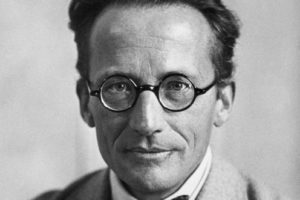
– Erwin Schrödinger
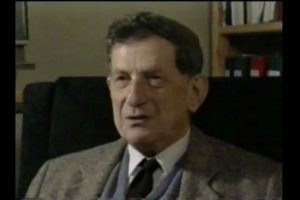
– Prof David Bohm
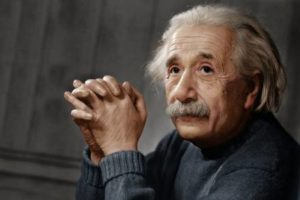
– Albert Einstein
Click on any event to view the recordings as well as event details