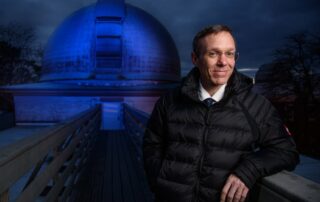
Avi Loeb: ‘It would be arrogant to think we’re alone in the universe’
When Harvard professor Avi Loeb discovered possible signs of extraterrestrial activity, it caused a scandal in the research community. Is fear and conservatism stopping science from considering plausible evidence that there are aliens out there?
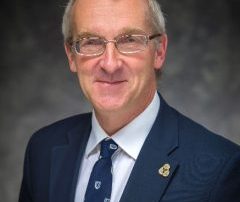
03/02/2021 – Tom McLeish on The Rediscovery of Contemplation Through Science
ISSR is pleased to announce that the 2021 Boyle Lecture will be given by Professor Tom McLeish, Professor of Natural Philosophy at the University of York, on the subject of “The Rediscovery of Contemplation Through Science”. The lecture will be given at 6.00 pm on Wednesday 3rd February 2021. However, due to the ongoing global pandemic, this year’s lecture will be available only online.
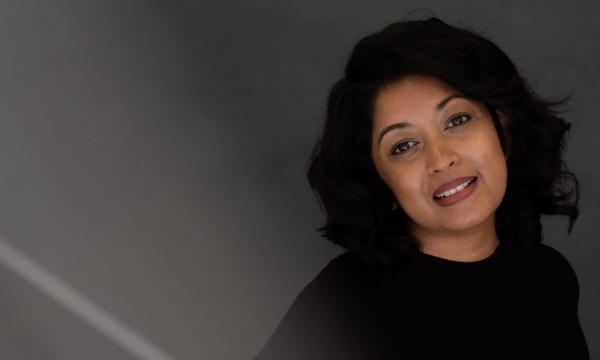
Imaginal Inspirations with David Lorimer – Marilyn Schlitz
Marilyn Schlitz is a social scientist, author, and speaker. Her clinical, laboratory and field-based research centres on consciousness, human transformation, and healing. Her latest book Death Makes Life Possible was accompanied by a film of the same title and explores the idea that facing our mortality inspires us to live our lives more fully.
Avi Loeb: ‘It would be arrogant to think we’re alone in the universe’
When Harvard professor Avi Loeb discovered possible signs of extraterrestrial activity, it caused a scandal in the research community. Is fear and conservatism stopping science from considering plausible evidence that there are aliens out there?
03/02/2021 – Tom McLeish on The Rediscovery of Contemplation Through Science
ISSR is pleased to announce that the 2021 Boyle Lecture will be given by Professor Tom McLeish, Professor of Natural Philosophy at the University of York, on the subject of “The Rediscovery of Contemplation Through Science”. The lecture will be given at 6.00 pm on Wednesday 3rd February 2021. However, due to the ongoing global pandemic, this year’s lecture will be available only online.
Imaginal Inspirations with David Lorimer – Marilyn Schlitz
Marilyn Schlitz is a social scientist, author, and speaker. Her clinical, laboratory and field-based research centres on consciousness, human transformation, and healing. Her latest book Death Makes Life Possible was accompanied by a film of the same title and explores the idea that facing our mortality inspires us to live our lives more fully.
Avi Loeb: ‘It would be arrogant to think we’re alone in the universe’
When Harvard professor Avi Loeb discovered possible signs of extraterrestrial activity, it caused a scandal in the research community. Is fear and conservatism stopping science from considering plausible evidence that there are aliens out there?
03/02/2021 – Tom McLeish on The Rediscovery of Contemplation Through Science
ISSR is pleased to announce that the 2021 Boyle Lecture will be given by Professor Tom McLeish, Professor of Natural Philosophy at the University of York, on the subject of “The Rediscovery of Contemplation Through Science”. The lecture will be given at 6.00 pm on Wednesday 3rd February 2021. However, due to the ongoing global pandemic, this year’s lecture will be available only online.
Imaginal Inspirations with David Lorimer – Marilyn Schlitz
Marilyn Schlitz is a social scientist, author, and speaker. Her clinical, laboratory and field-based research centres on consciousness, human transformation, and healing. Her latest book Death Makes Life Possible was accompanied by a film of the same title and explores the idea that facing our mortality inspires us to live our lives more fully.
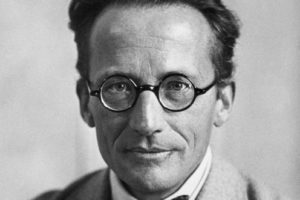
– Erwin Schrödinger
– Prof David Bohm
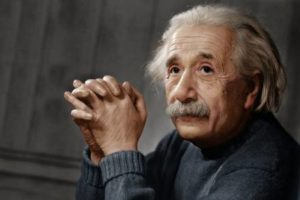
– Albert Einstein
Click on any event to view the recordings as well as event details