Evolution and the Self-Realising Universe – Tim Freke
Tim Freke shares his new understanding of reality at the 2019 Science and Spirituality Summit.

New Concepts of Matter, Life and Mind
In light of the current, revolutionary advances in the natural sciences and in the study of consciousness, the
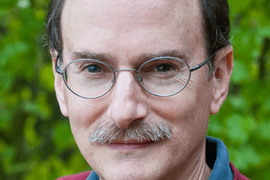
Was Buddha Just a Nice Guy? – Dean Radin
Did Buddha's teachings survive and thrive because he was more attractive or charismatic than most, or because he was a great teacher and a tireless advocate of the poor? Asking such questions about revered religious icons is asking for trouble, so we may consider a more contemporary figure - the Dalai Lama. Does the Dalai Lama know something that science ignores publicly but is fascinated by privately? This presentation will offer answers to these questions based not on opinion, but on analysis of decades of experimental data collected in dozens of laboratories around the world, and regularly published in scientific journals.
Evolution and the Self-Realising Universe – Tim Freke
Tim Freke shares his new understanding of reality at the 2019 Science and Spirituality Summit.
New Concepts of Matter, Life and Mind
In light of the current, revolutionary advances in the natural sciences and in the study of consciousness, the
Was Buddha Just a Nice Guy? – Dean Radin
Did Buddha's teachings survive and thrive because he was more attractive or charismatic than most, or because he was a great teacher and a tireless advocate of the poor? Asking such questions about revered religious icons is asking for trouble, so we may consider a more contemporary figure - the Dalai Lama. Does the Dalai Lama know something that science ignores publicly but is fascinated by privately? This presentation will offer answers to these questions based not on opinion, but on analysis of decades of experimental data collected in dozens of laboratories around the world, and regularly published in scientific journals.
Evolution and the Self-Realising Universe – Tim Freke
Tim Freke shares his new understanding of reality at the 2019 Science and Spirituality Summit.
New Concepts of Matter, Life and Mind
In light of the current, revolutionary advances in the natural sciences and in the study of consciousness, the
Was Buddha Just a Nice Guy? – Dean Radin
Did Buddha's teachings survive and thrive because he was more attractive or charismatic than most, or because he was a great teacher and a tireless advocate of the poor? Asking such questions about revered religious icons is asking for trouble, so we may consider a more contemporary figure - the Dalai Lama. Does the Dalai Lama know something that science ignores publicly but is fascinated by privately? This presentation will offer answers to these questions based not on opinion, but on analysis of decades of experimental data collected in dozens of laboratories around the world, and regularly published in scientific journals.
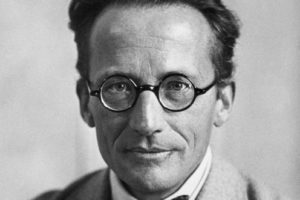
– Erwin Schrödinger
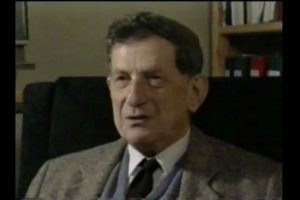
– Prof David Bohm
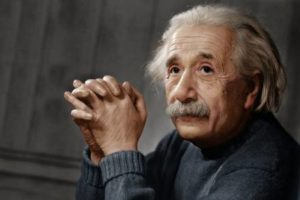
– Albert Einstein
Click on any event to view the recordings as well as event details