Galileo At 400 – Expanding the Scope of Science with the Galileo Commission
A dialogue between David Lorimer, Marjorie Woollacott, Athena Potari, and Àlex Gómez-Marín

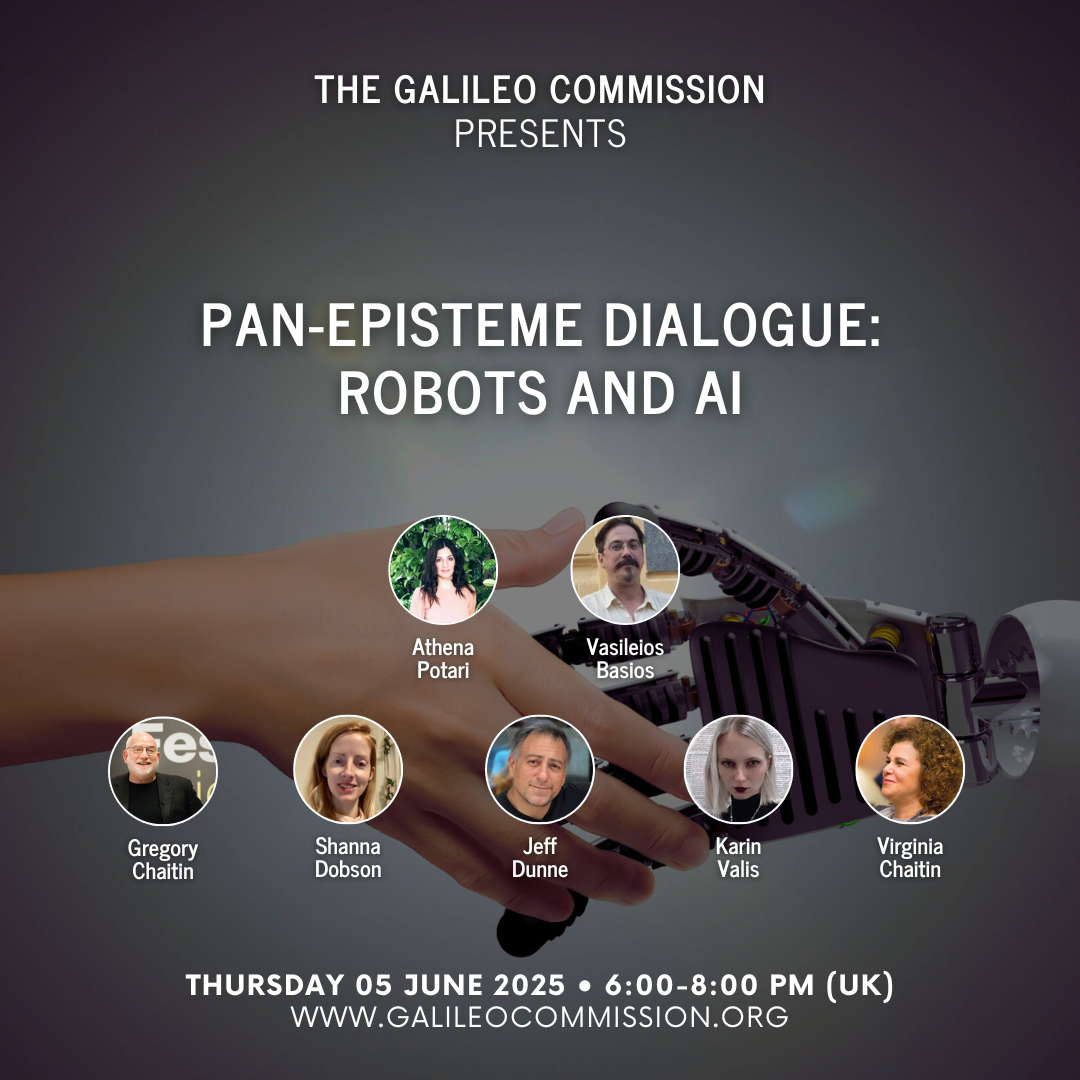
Romance to Exemplary Wedding. Conscious Humanity loves Humanized AI
Artificial device of intelligence, in spite of being an example of the wedding of a good science with good technology is in controversy because its modus operandi of industrialization and growth is not in consonance with a strong emerging Worldview that encompasses Science, Humanity and Spirit (consciousness). This paper shows technological directions how their wedding could be made not merely adorable but exemplary. Making an objective psychology, exploration of other information states beside signal, investigating the possibilities of harnessing dark energy, hybridization with biological materials and organelles, and use of emerging neutrino technology are five approaches discussed in the paper. The paper concludes with a long journey ahead.
Directional Scopaesthesia and Its Implications for Theories of Vision
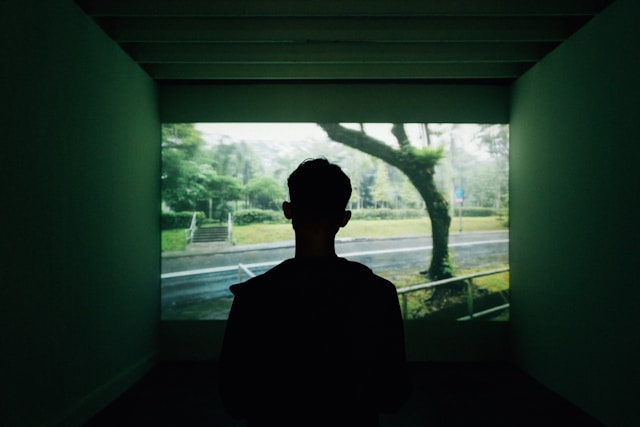
Here, we examine the natural history of the phenomenon based on a collection of 960 case histories collected over 25 years involving both humans and non-human animals. This collection includes more than 80 interviews with surveillance officers, detectives, martial arts teachers, celebrity photographers, wildlife photographers, and hunters who have extensive experience of watching people or non-human animals. In 466 (49%) of the cases, directional effects were explicit, in that the person or animal looked at responded by turning and looking directly back at the looker rather than searching at random for the source of attention. In 186 (19%) of the cases directional effects were implicit. In most of the other cases, directional effects were not mentioned, usually because they were general statements lacking detail. In online surveys, including a survey of a group of skeptics, the great majority of respondents said they had experienced directional scopaesthesia. We conclude that directionality is a normal feature of scopaesthesia in real-life situations and suggest that this finding supports the idea that minds are extended beyond brains and that this extension involves some kind of visual extramission.
Galileo At 400 – Expanding the Scope of Science with the Galileo Commission
A dialogue between David Lorimer, Marjorie Woollacott, Athena Potari, and Àlex Gómez-Marín
Romance to Exemplary Wedding. Conscious Humanity loves Humanized AI
Artificial device of intelligence, in spite of being an example of the wedding of a good science with good technology is in controversy because its modus operandi of industrialization and growth is not in consonance with a strong emerging Worldview that encompasses Science, Humanity and Spirit (consciousness). This paper shows technological directions how their wedding could be made not merely adorable but exemplary. Making an objective psychology, exploration of other information states beside signal, investigating the possibilities of harnessing dark energy, hybridization with biological materials and organelles, and use of emerging neutrino technology are five approaches discussed in the paper. The paper concludes with a long journey ahead.
Directional Scopaesthesia and Its Implications for Theories of Vision
Here, we examine the natural history of the phenomenon based on a collection of 960 case histories collected over 25 years involving both humans and non-human animals. This collection includes more than 80 interviews with surveillance officers, detectives, martial arts teachers, celebrity photographers, wildlife photographers, and hunters who have extensive experience of watching people or non-human animals. In 466 (49%) of the cases, directional effects were explicit, in that the person or animal looked at responded by turning and looking directly back at the looker rather than searching at random for the source of attention. In 186 (19%) of the cases directional effects were implicit. In most of the other cases, directional effects were not mentioned, usually because they were general statements lacking detail. In online surveys, including a survey of a group of skeptics, the great majority of respondents said they had experienced directional scopaesthesia. We conclude that directionality is a normal feature of scopaesthesia in real-life situations and suggest that this finding supports the idea that minds are extended beyond brains and that this extension involves some kind of visual extramission.
Galileo At 400 – Expanding the Scope of Science with the Galileo Commission
A dialogue between David Lorimer, Marjorie Woollacott, Athena Potari, and Àlex Gómez-Marín
Romance to Exemplary Wedding. Conscious Humanity loves Humanized AI
Artificial device of intelligence, in spite of being an example of the wedding of a good science with good technology is in controversy because its modus operandi of industrialization and growth is not in consonance with a strong emerging Worldview that encompasses Science, Humanity and Spirit (consciousness). This paper shows technological directions how their wedding could be made not merely adorable but exemplary. Making an objective psychology, exploration of other information states beside signal, investigating the possibilities of harnessing dark energy, hybridization with biological materials and organelles, and use of emerging neutrino technology are five approaches discussed in the paper. The paper concludes with a long journey ahead.
Directional Scopaesthesia and Its Implications for Theories of Vision
Here, we examine the natural history of the phenomenon based on a collection of 960 case histories collected over 25 years involving both humans and non-human animals. This collection includes more than 80 interviews with surveillance officers, detectives, martial arts teachers, celebrity photographers, wildlife photographers, and hunters who have extensive experience of watching people or non-human animals. In 466 (49%) of the cases, directional effects were explicit, in that the person or animal looked at responded by turning and looking directly back at the looker rather than searching at random for the source of attention. In 186 (19%) of the cases directional effects were implicit. In most of the other cases, directional effects were not mentioned, usually because they were general statements lacking detail. In online surveys, including a survey of a group of skeptics, the great majority of respondents said they had experienced directional scopaesthesia. We conclude that directionality is a normal feature of scopaesthesia in real-life situations and suggest that this finding supports the idea that minds are extended beyond brains and that this extension involves some kind of visual extramission.

– Erwin Schrödinger
– Prof David Bohm


– Albert Einstein
Click on any event to view the recordings as well as event details