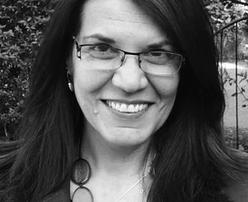
What is Real and What Isn’t – And why meditation is not the answer to all our world’s problems – Avigail Abarbanel
People don’t realise it but materialism, our dominant paradigm, is not backed by any scientific evidence, and it never has been. It is nothing more than a belief system that emerged as a reaction to religion and faith, and that is associated with the rise of ‘modern science’.
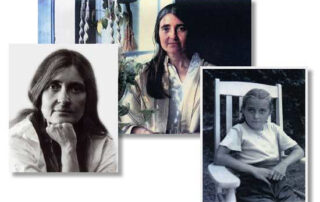
Featuring Lorna Green – #12: And now, let’s talk about truth.
If we can create a society who cares for people, it will owe to women, the original caregivers for the whole Earth. They have already demonstrated their strength in coping with the pandemic. The prophet Nostradamus foresaw this moment in history as our greatest moment, because of the reappearance of women in positions of power, making the decisions that will change the world forever.

In Loving Memory of Brenda Dunne
On Friday, June 17th, 2022 this world bid farewell and good journeys to a truly beautiful soul. There is no need to tell this family how amazing and inspiring was the human we knew as Brenda, nor to elucidate on the magnitude of our loss or how much she will be missed.
What is Real and What Isn’t – And why meditation is not the answer to all our world’s problems – Avigail Abarbanel
People don’t realise it but materialism, our dominant paradigm, is not backed by any scientific evidence, and it never has been. It is nothing more than a belief system that emerged as a reaction to religion and faith, and that is associated with the rise of ‘modern science’.
Featuring Lorna Green – #12: And now, let’s talk about truth.
If we can create a society who cares for people, it will owe to women, the original caregivers for the whole Earth. They have already demonstrated their strength in coping with the pandemic. The prophet Nostradamus foresaw this moment in history as our greatest moment, because of the reappearance of women in positions of power, making the decisions that will change the world forever.
In Loving Memory of Brenda Dunne
On Friday, June 17th, 2022 this world bid farewell and good journeys to a truly beautiful soul. There is no need to tell this family how amazing and inspiring was the human we knew as Brenda, nor to elucidate on the magnitude of our loss or how much she will be missed.
What is Real and What Isn’t – And why meditation is not the answer to all our world’s problems – Avigail Abarbanel
People don’t realise it but materialism, our dominant paradigm, is not backed by any scientific evidence, and it never has been. It is nothing more than a belief system that emerged as a reaction to religion and faith, and that is associated with the rise of ‘modern science’.
Featuring Lorna Green – #12: And now, let’s talk about truth.
If we can create a society who cares for people, it will owe to women, the original caregivers for the whole Earth. They have already demonstrated their strength in coping with the pandemic. The prophet Nostradamus foresaw this moment in history as our greatest moment, because of the reappearance of women in positions of power, making the decisions that will change the world forever.
In Loving Memory of Brenda Dunne
On Friday, June 17th, 2022 this world bid farewell and good journeys to a truly beautiful soul. There is no need to tell this family how amazing and inspiring was the human we knew as Brenda, nor to elucidate on the magnitude of our loss or how much she will be missed.
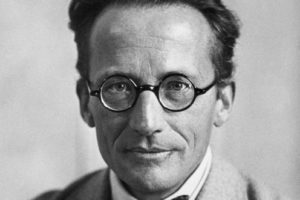
– Erwin Schrödinger
– Prof David Bohm
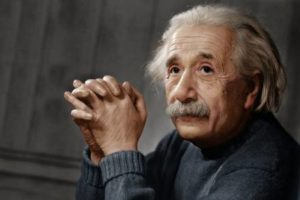
– Albert Einstein
Click on any event to view the recordings as well as event details