Imaginal Inspirations with Mona Sobhani
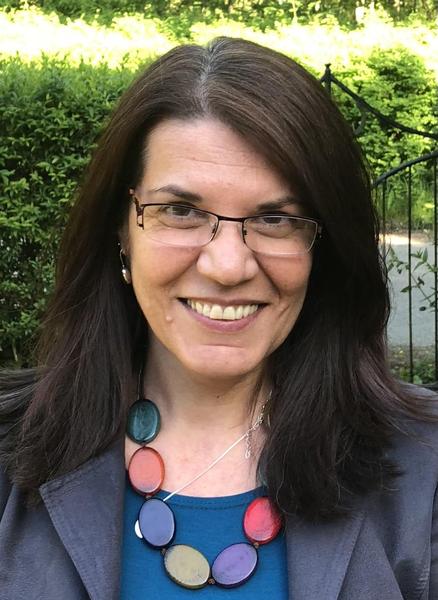
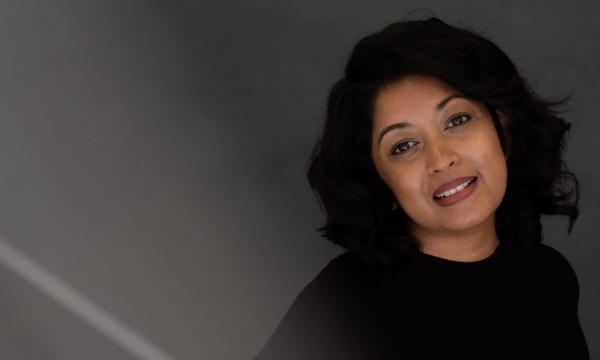
David Lorimer's guest today is Mona Sobhani, PhD who is a cognitive neuroscientist, author, and entrepreneur. A former research scientist at the University of Southern California, she holds a doctorate in neuroscience from the University of Southern California and completed a post-doctoral fellowship at Vanderbilt University with the MacArthur Foundation Law and Neuroscience Project.
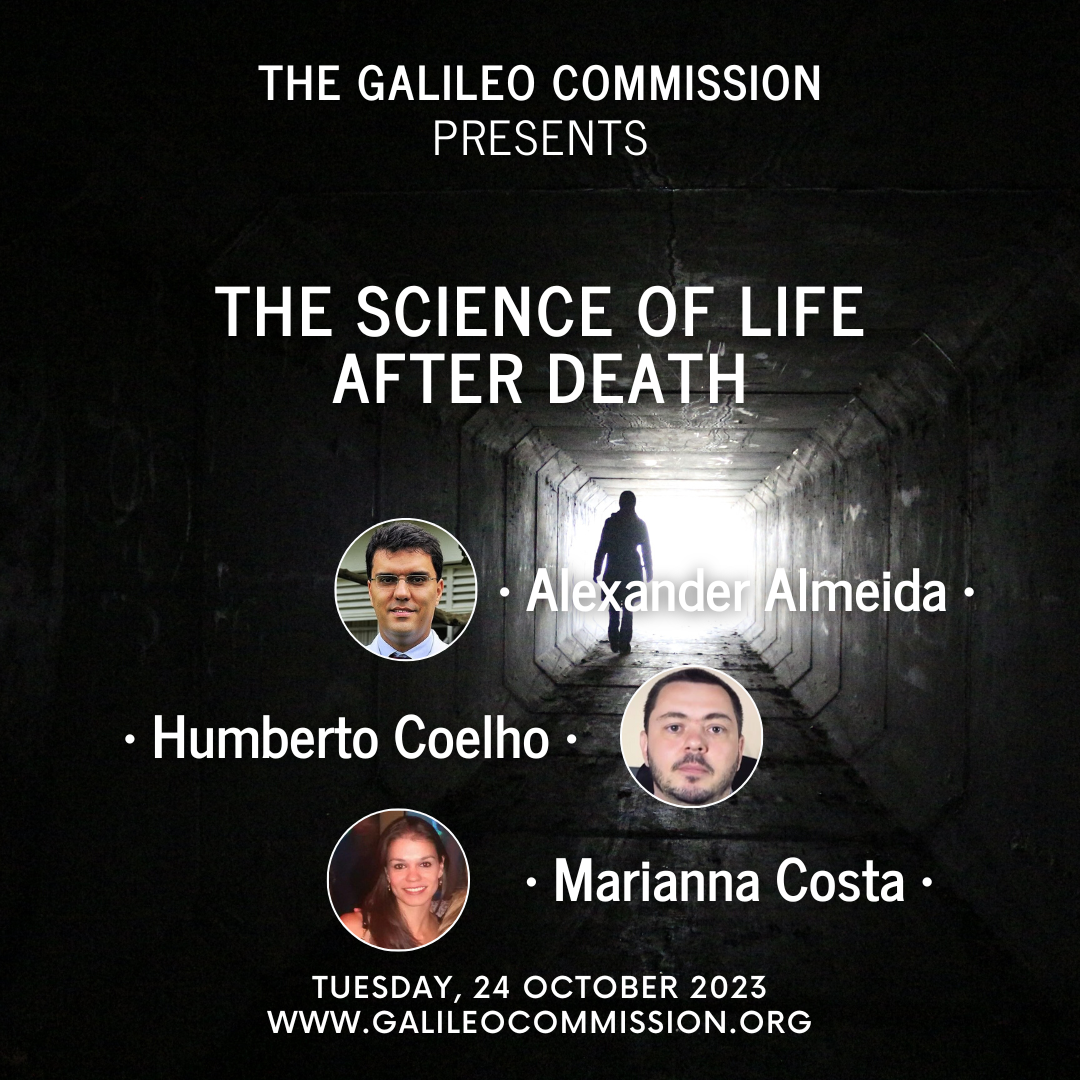
Alexander Almeida, Humberto Coelho, Marianna Costa – The Science of Life after Death
Event recording Event description The talk will cover the recent book Science of Life After
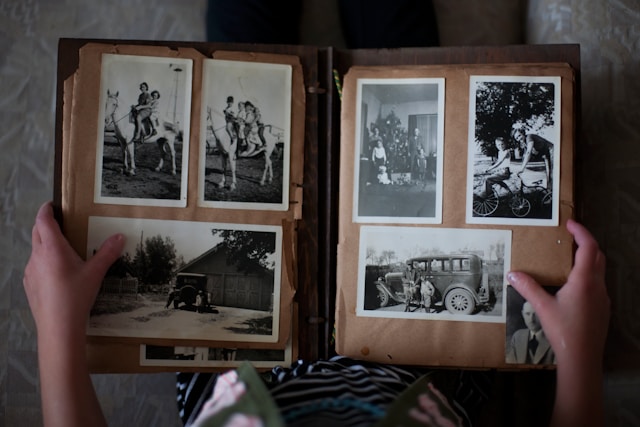
The Mystery of Memory: No “Life”, No Memory
The issue of memory is mysterious in terms of its acquisition, storage, recall and retrieval. Memory is inextricably intertwined with the phenomenon of subtlety of “life”. So, is the process of learning. This paper builds up a testable theory proposing where there is no life, there is no memory. In this sense, the memory in a lifeless Artificial Device (AI) is a misnomer. So is the term, “Machine Learning”. The mystery calls for investigations on what is “life”, and its link with the memory.
Imaginal Inspirations with Mona Sobhani
David Lorimer's guest today is Mona Sobhani, PhD who is a cognitive neuroscientist, author, and entrepreneur. A former research scientist at the University of Southern California, she holds a doctorate in neuroscience from the University of Southern California and completed a post-doctoral fellowship at Vanderbilt University with the MacArthur Foundation Law and Neuroscience Project.
Alexander Almeida, Humberto Coelho, Marianna Costa – The Science of Life after Death
Event recording Event description The talk will cover the recent book Science of Life After
The Mystery of Memory: No “Life”, No Memory
The issue of memory is mysterious in terms of its acquisition, storage, recall and retrieval. Memory is inextricably intertwined with the phenomenon of subtlety of “life”. So, is the process of learning. This paper builds up a testable theory proposing where there is no life, there is no memory. In this sense, the memory in a lifeless Artificial Device (AI) is a misnomer. So is the term, “Machine Learning”. The mystery calls for investigations on what is “life”, and its link with the memory.
Imaginal Inspirations with Mona Sobhani
David Lorimer's guest today is Mona Sobhani, PhD who is a cognitive neuroscientist, author, and entrepreneur. A former research scientist at the University of Southern California, she holds a doctorate in neuroscience from the University of Southern California and completed a post-doctoral fellowship at Vanderbilt University with the MacArthur Foundation Law and Neuroscience Project.
Alexander Almeida, Humberto Coelho, Marianna Costa – The Science of Life after Death
Event recording Event description The talk will cover the recent book Science of Life After
The Mystery of Memory: No “Life”, No Memory
The issue of memory is mysterious in terms of its acquisition, storage, recall and retrieval. Memory is inextricably intertwined with the phenomenon of subtlety of “life”. So, is the process of learning. This paper builds up a testable theory proposing where there is no life, there is no memory. In this sense, the memory in a lifeless Artificial Device (AI) is a misnomer. So is the term, “Machine Learning”. The mystery calls for investigations on what is “life”, and its link with the memory.
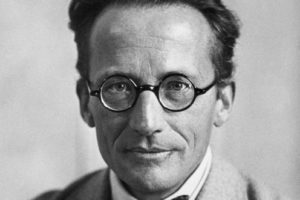
– Erwin Schrödinger
– Prof David Bohm
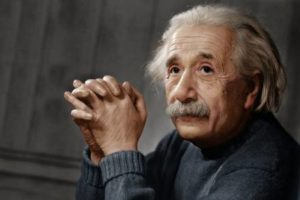
– Albert Einstein
Click on any event to view the recordings as well as event details