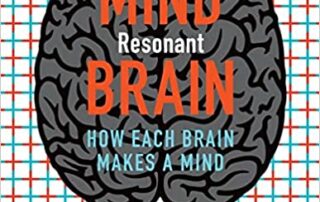
How do our brains make our minds?
However, if a brain were just a bag of tricks, then it would be difficult, if not impossible, to discover unifying theories of how brains make mind. The work that my colleagues and I have done contributes to a growing understanding that, in addition to opportunistic evolutionary adaptations in response to changing environments, there is also a deeper level of unifying organizational principles and mechanisms upon which coherent theories of brain and mind can securely build.
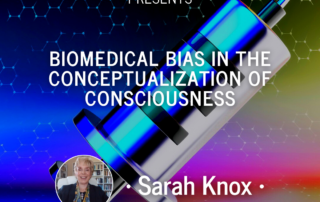
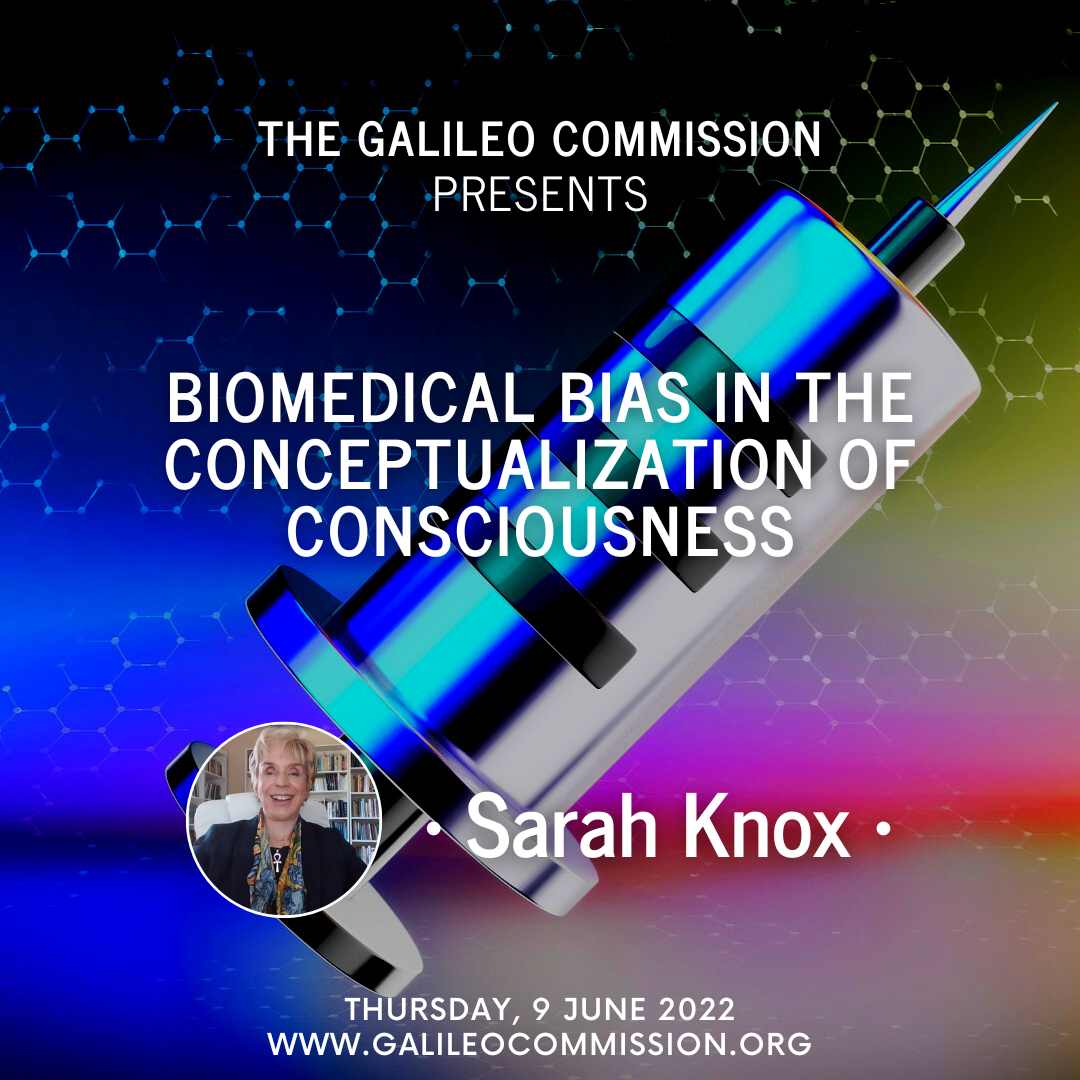
Sarah Knox – Biomedical Bias in the Conceptualization of Consciousness
The topic stems from the fact that neuroscience is currently the accepted scientific authority on the nature of consciousness, even though some of its major underlying assumptions are verifiably inaccurate. The purpose of this talk is to begin a dialogue about unintended bias in experimental design.

Featuring Lorna Green – #9: Other Reasons for Hope
Know, that in the midst in all of this upheaval, good things are happening. Find your strength in yourself, the people around you, and the leaders who are moving with these new forces of history.
How do our brains make our minds?
However, if a brain were just a bag of tricks, then it would be difficult, if not impossible, to discover unifying theories of how brains make mind. The work that my colleagues and I have done contributes to a growing understanding that, in addition to opportunistic evolutionary adaptations in response to changing environments, there is also a deeper level of unifying organizational principles and mechanisms upon which coherent theories of brain and mind can securely build.
Sarah Knox – Biomedical Bias in the Conceptualization of Consciousness
The topic stems from the fact that neuroscience is currently the accepted scientific authority on the nature of consciousness, even though some of its major underlying assumptions are verifiably inaccurate. The purpose of this talk is to begin a dialogue about unintended bias in experimental design.
Featuring Lorna Green – #9: Other Reasons for Hope
Know, that in the midst in all of this upheaval, good things are happening. Find your strength in yourself, the people around you, and the leaders who are moving with these new forces of history.
How do our brains make our minds?
However, if a brain were just a bag of tricks, then it would be difficult, if not impossible, to discover unifying theories of how brains make mind. The work that my colleagues and I have done contributes to a growing understanding that, in addition to opportunistic evolutionary adaptations in response to changing environments, there is also a deeper level of unifying organizational principles and mechanisms upon which coherent theories of brain and mind can securely build.
Sarah Knox – Biomedical Bias in the Conceptualization of Consciousness
The topic stems from the fact that neuroscience is currently the accepted scientific authority on the nature of consciousness, even though some of its major underlying assumptions are verifiably inaccurate. The purpose of this talk is to begin a dialogue about unintended bias in experimental design.
Featuring Lorna Green – #9: Other Reasons for Hope
Know, that in the midst in all of this upheaval, good things are happening. Find your strength in yourself, the people around you, and the leaders who are moving with these new forces of history.
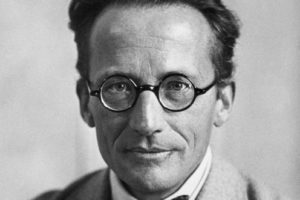
– Erwin Schrödinger
– Prof David Bohm

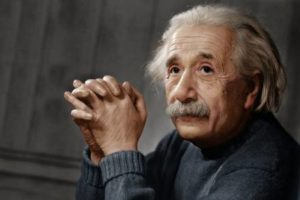
– Albert Einstein
Click on any event to view the recordings as well as event details